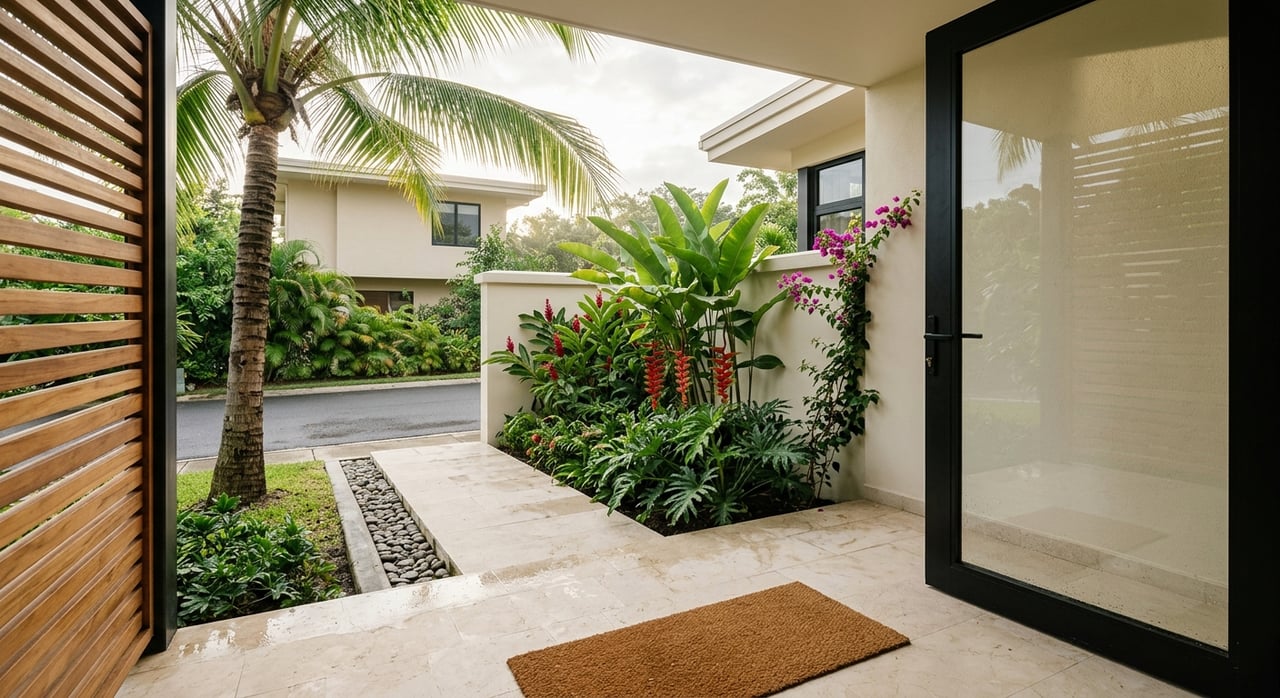
Living in Uvita Costa Rica: A Look at Daily Life
July 2, 2026
July 2, 2026
What does daily life in Uvita really feel like once you look past the vacation photos? If you are considering a move, second home, or property investment here, that question matters just as much as price or location. Understanding the town’s pace, seasons, services, and community habits can help you picture how life actually works on the ground. Let’s take a closer look.
Uvita functions as an everyday center within the Bahía Ballena district of Osa canton, not just as a scenic stop along the coast. Planning and tourism materials place Uvita within a broader local geography that also connects to nearby places like Dominical and other communities in Bahía Ballena.
That matters if you are thinking about living or buying here. Instead of viewing Uvita as a standalone resort zone, it helps to see it as part of a working coastal district with schools, transport routes, civic organizations, and public services that support year-round life.
Road 34, also called the Costanera Sur or South Inter-American Highway, is the main access route that shapes movement in and out of Uvita. Public infrastructure updates have focused on the Uvita stretch between RN34, Plaza El Domo, and the center of Playa Bahía Ballena, which highlights how important this corridor is to everyday routines.
If you live in Uvita, much of your rhythm will connect to this road. It is the backbone for errands, access to surrounding communities, and entry points toward the coast and Marino Ballena National Park.
Some services are handled locally through the Bahía Ballena district, while others are organized at the regional level. For example, the Ministry of Health office that covers Uvita is in Palmar Norte.
Education planning also reflects this broader service pattern. MEP documents place schools and transport routes across Bahía Ballena, including Liceo La Uvita and routes serving Playa Ballena, Bahía, San Josecito, Playa Hermosa, and Uvita.
For buyers and relocating households, this is a useful reminder. Life in Uvita is connected, but it is also distributed across the district, so daily routines often involve movement between several nearby communities rather than staying in one compact town center.
Uvita’s community rhythm is supported by a network of local organizations. These include ASADA de Uvita, the Association of Guides of Bahía Ballena, the Association of Tour Operators of Bahía Ballena, the Association of Integral Development of Uvita, and the Chamber of Commerce and Tourism of the Bahía Ballena district.
This tells you something important about the area. Uvita is not only driven by tourism demand. It also has active local structures tied to water management, community development, visitor services, and civic coordination.
For anyone evaluating real estate, that kind of organization can shape how a place feels over time. It suggests a community with active local participation and systems that support both residents and the area’s visitor economy.
Marino Ballena National Park is one of the strongest forces shaping daily life in Uvita. The park covers a 15-kilometer stretch of coast, and Uvita is one of its official access points.
The park’s famous whale-tail formation is only walkable at low tide, and SINAC asks visitors to check tide tables before entering. That means tides are not just background information here. They affect beach access, outing plans, and the general flow of a day.
In a very real way, the natural environment helps set the town’s rhythm. If you spend time in Uvita, you quickly notice that schedules often bend around weather, ocean conditions, and tide timing.
Marino Ballena is not simply a protected area next to town. SINAC notes that local neighbors and small fishers in Bahía Ballena and Piñuelas helped drive the park’s origin.
That history helps explain why conservation is so woven into the local mindset. The park is also described by SINAC as the first marine park in Central America, giving it a special place in the region’s identity.
For buyers drawn to Uvita’s natural beauty, this is an important part of the story. The landscape is not separate from community life here. It is central to how the area sees itself and how the coast is managed.
Uvita has a distinctly seasonal tourism pattern. According to ICT planning materials, the main tourism months are December through April and June through August.
Then there is another major pulse in September and October, when whale migration brings a strong wave of visitors from within Costa Rica and from abroad. ICT also notes that Bahía Ballena in Uvita organizes a whale festival every September.
This creates a rhythm that feels different from many beach markets. Rather than one single high season, Uvita has several activity peaks, with whale season playing a major role in the local calendar.
SINAC describes the park environment as hot, rainy, and very humid. The dry season generally runs from mid-December to mid-April, while the rainy season extends from mid-April to mid-December.
If you are considering a full-time move or long-term investment, this is worth understanding clearly. Your experience of Uvita can feel very different depending on when you visit, with quieter rainy-season routines and busier periods tied to tourism and marine wildlife activity.
That does not mean one season is better than another. It means the community has a year-round pattern, and successful buyers usually do best when they match their expectations to that natural cycle.
In Uvita, outdoor life is not reserved for weekends or special plans. Official park materials point to snorkeling, kayaking, diving, surfing, horseback riding, canyoning, waterfalls, and beach walks as standard recreational options in the area.
That says a lot about the local lifestyle. Nature-based activity is built into the rhythm of daily life, whether you live near the beach, farther inland, or between the two.
For relocation buyers, this often becomes one of Uvita’s biggest lifestyle draws. The area supports a way of living where time outside feels normal, not occasional.
It is also important not to reduce Uvita to its coastline alone. ICT cultural materials include coffee, chocolate, cattle-farm, and community-walking tours in the Bahía Ballena area, including places near San Josesito and the old Bahía site.
That inland connection gives the area more depth. Uvita’s identity includes beaches and marine life, but it also includes local routes, working landscapes, and communities beyond the beachfront strip.
For real estate buyers, that broader view can be valuable. It opens up different lifestyle possibilities depending on whether you prefer closer beach access, a more tucked-away setting, or land with a stronger nature-and-space feel.
Beach stewardship appears to be part of the local culture. ICT’s Blue Flag program listing includes Uvita, Colonia, Ballena, and Piñuelas in the South Pacific region.
That points to an ongoing focus on clean, managed coastal spaces. For residents and property owners, that kind of shared care can influence the long-term appeal of the area and help preserve the qualities that draw people here in the first place.
In practical terms, Uvita’s appeal is not only scenic. It is also supported by a community pattern that values the condition of its beaches and surrounding environment.
If you are buying in Uvita, understanding the town’s rhythm can help you choose the right property and location. A home that feels ideal during whale season or dry season should also make sense during quieter, wetter months when the pace changes.
You will also want to think beyond views and finishes. Access via Road 34, proximity to park entry points, connection to the wider Bahía Ballena district, and alignment with your desired daily routine can all shape whether a property truly fits.
If you are selling in Uvita, this same local knowledge matters in a different way. Buyers are often not just purchasing a house or parcel. They are trying to understand a lifestyle that includes seasonality, outdoor living, conservation values, and a community spread across both coast and inland areas.
Presenting property within that real-world context can make your listing more meaningful and more persuasive to serious buyers, especially those coming from abroad who may not yet understand how Uvita functions day to day.
Whether you are relocating, investing, or preparing to sell, the strongest decisions usually come from understanding how a place actually lives. If you want guidance grounded in local knowledge and a long-view approach to Costa Rica real estate, Tropical Investments can help you explore Uvita with clarity and confidence.


It would be our honor to help you find the perfect Costa Rica real estate opportunity that matches your lifestyle and interests. Connect with us to get started on your real estate in Costa Rica journey!

Plaza Coco Uvita Local 6 2nd FL, Bahia Ballena, Puntarenas 60504, Costa Rica