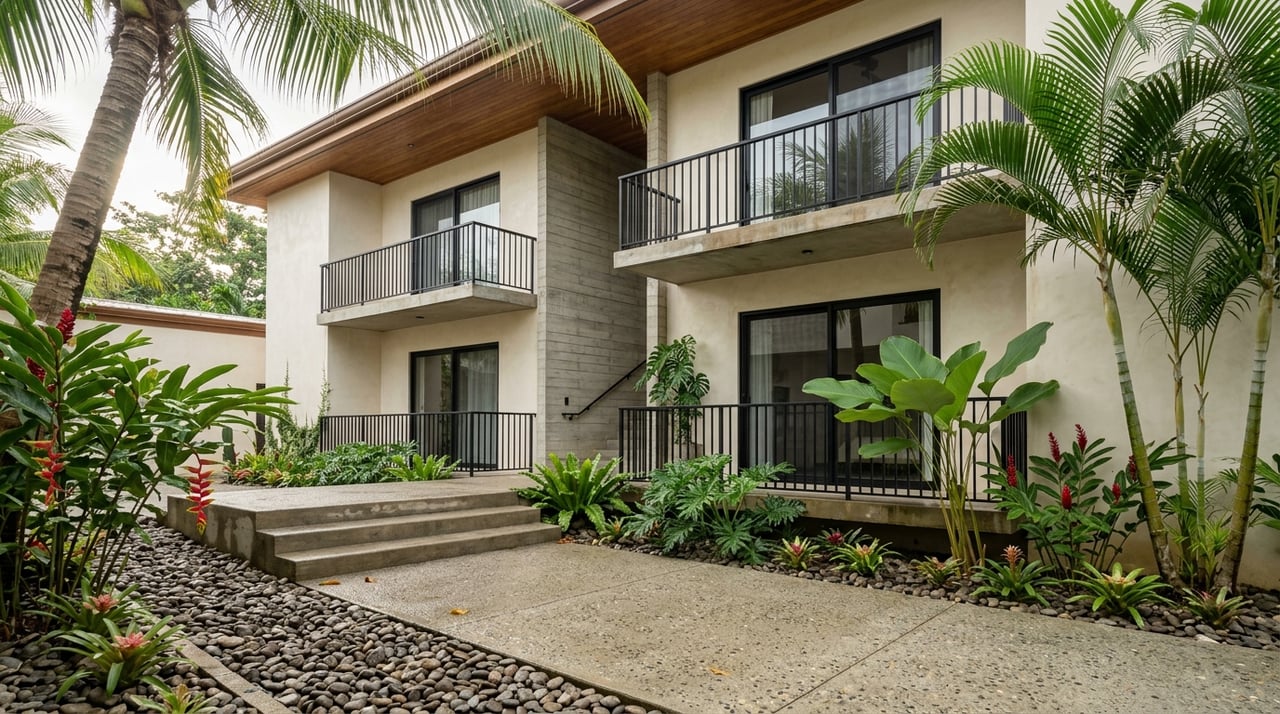
Comparing Dominical Real Estate Options for Homes and Land
July 16, 2026
July 16, 2026
Wondering whether Dominical is a better fit for a move-in-ready home or a long-term land play? You are not alone. Many buyers are drawn to this part of Costa Rica for its surf culture, rainforest setting, and scenic coastline, but the right property choice depends on more than views and lifestyle. This guide will help you compare housing and land opportunities in Dominical, understand the local rules that matter most, and make a more confident decision. Let’s dive in.
Dominical stands out for its mix of beach living, forested hills, and access to nature. Official tourism materials describe Playa Dominical as a strong-wave surf beach, while nearby Playa Dominicalito is known for calmer swimming conditions and a forest-framed setting near Punta Dominical.
The broader Dominical-Bahía Ballena area also benefits from nearby Marino Ballena National Park, which adds protected coastline and whale-watching appeal. For many buyers, that combination creates a market that feels both lifestyle-driven and investment-aware.
In Dominical, the property search is heavily influenced by terrain, road access, and coastal regulation. A home near the beach, a hillside villa, and a raw land parcel may all be called “Dominical,” but they can come with very different legal and practical realities.
Access is a major factor. Route 34 connects the coastal corridor, while Route 243 links the area toward San Isidro de El General and Pérez Zeledón. Recent public works have included resurfacing on Route 34 between Dominical and Uvita, along with bridge and curve improvements on Route 243, which matters if you are considering inland or hillside property.
Ocean-view homes are often located on hillsides or ridgelines outside the beach strip. These properties usually appeal to buyers who want a finished home, privacy, and immediate enjoyment without starting from scratch.
The tradeoff is that the view often comes with steeper topography and longer internal roads. In practical terms, you will want to confirm access, drainage, and how utilities reach the property before moving forward.
For many buyers, this type of home works best when your priority is lifestyle now. If you want to arrive, settle in, and enjoy the setting without a long build timeline, a completed ocean-view home can be the more straightforward path.
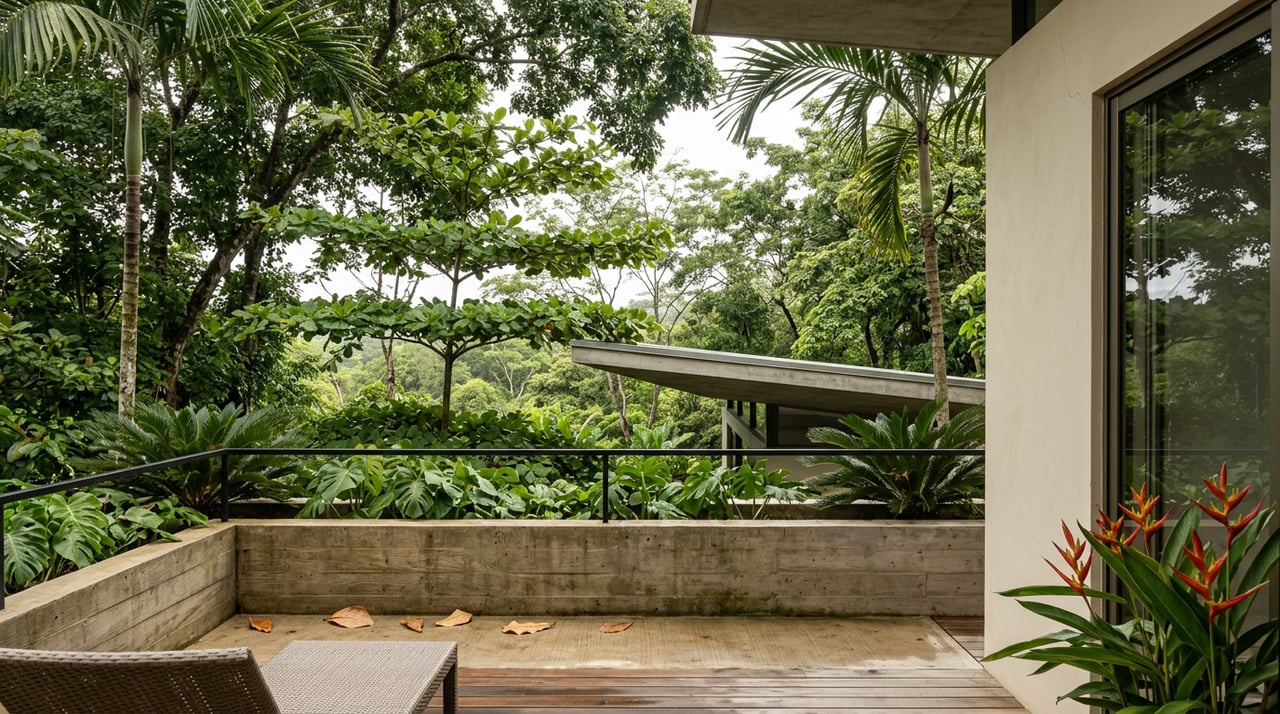
Jungle villas usually sit farther inland or on greener hillsides, where vegetation and privacy shape the experience. These homes often attract buyers who want a quieter setting immersed in nature.
The local climate is an important part of that decision. SINAC materials for nearby Marino Ballena describe the area as hot, rainy, and very humid, which helps explain why homes in dense vegetation may need more attention to moisture, landscaping, and routine upkeep.
That does not make jungle villas less desirable. It simply means you should match the property to your maintenance tolerance, access needs, and daily lifestyle.
When available in the Dominical area, condos can offer a more service-oriented ownership model. They often appeal to buyers who want lower maintenance, managed common areas, and a simpler lock-and-leave setup.
Still, the unit itself is only part of the story. It is important to understand whether the project sits in an area with confirmed access, water service, and electrical availability. In a market like Dominical, even a lower-maintenance option still benefits from careful due diligence.
Raw land offers flexibility, but it also carries the most uncertainty. If you want to design a custom home, hold property for the future, or explore a boutique development concept, land can be appealing.
In Dominical, the first legal question is often whether the parcel is fee simple titled outside the maritime-terrestrial zone or whether it is coastal land subject to concession and plan-regulator rules. This distinction matters because not every property near the beach is owned under the same structure.
The maritime-terrestrial zone is 200 meters wide. The first 50 meters are public, and the next 150 meters are restricted. ICT reviews municipal concession files using the current coastal plan, so two nearby parcels may have very different status even if they appear similar on a casual drive.
In many markets, buyers focus first on price, view, or design. In Dominical, coastal regulation can be just as important. A beachfront-looking parcel may not be a standard titled lot, and that can affect how you evaluate ownership, use, and next steps.
ICT’s coastal planning records include multiple Dominical references, including partial and sector-specific entries. That means parcel-level verification is essential. You do not want to assume that a property’s location tells you everything about its legal framework.
For buyers comparing homes and land, this is often one of the biggest differences. A finished home may already have a clearer path on access and utility service, while raw land may require much deeper review before you can confirm its true potential.
If you are considering land, water may be the most important practical issue. In Costa Rica, many communal water systems are administered by ASADAS under delegation from AyA, and service depends on actual availability and capacity.
For buyers, the key question is simple: can this specific parcel legally and physically receive water service? It is not enough to know that water exists somewhere nearby. Parcel-specific confirmation matters.
This is one reason finished homes can be attractive. If a home is already in use, you may have more clarity about current service than you would with a vacant parcel that still needs infrastructure planning.
Electricity is broadly available across Costa Rica, but that does not mean every vacant parcel is ready for immediate connection. ARESEP reports electricity coverage across 99.5% of the country’s territory, and ICE provides a formal process to request availability.
Even so, inland and hillside parcels may require connection work, extension planning, or additional coordination. That is especially relevant in areas where topography creates distance between the build site and existing service points.
Road access deserves the same level of attention. In Dominical, a parcel that feels reachable in dry weather may perform differently during the rainy season. That is why year-round usability should be part of your review from the beginning.
If you are deciding between a completed property and a land purchase, the best choice usually comes down to timeline, risk tolerance, and how involved you want to be.
A finished home often makes sense if you value:
Land may be a better fit if you are comfortable with:
In Dominical, the real comparison is not just price per square meter. It is whether the property’s legal status, access, and infrastructure align with your goals.
Before you commit to a home or parcel in Dominical, make sure you can answer a few basic questions with confidence.
These points are not small details. In Dominical, they shape how usable, flexible, and practical a property really is over time.
Dominical offers a rare mix of surf culture, natural beauty, and diverse property types. You can find opportunities ranging from completed ocean-view homes to secluded jungle villas, condos with simpler ownership, and raw land with long-term upside.
The opportunity is real, but so is the need for careful local guidance. Buyers who do best here usually stay focused on the fundamentals: legal status, access, water, electricity, topography, and how the property fits their actual lifestyle or investment plan.
If you are exploring homes or land in Dominical, working with a local team that understands both the destination appeal and the parcel-level details can make the process much clearer. To explore available opportunities with calm, transparent guidance, connect with Tropical Investments.
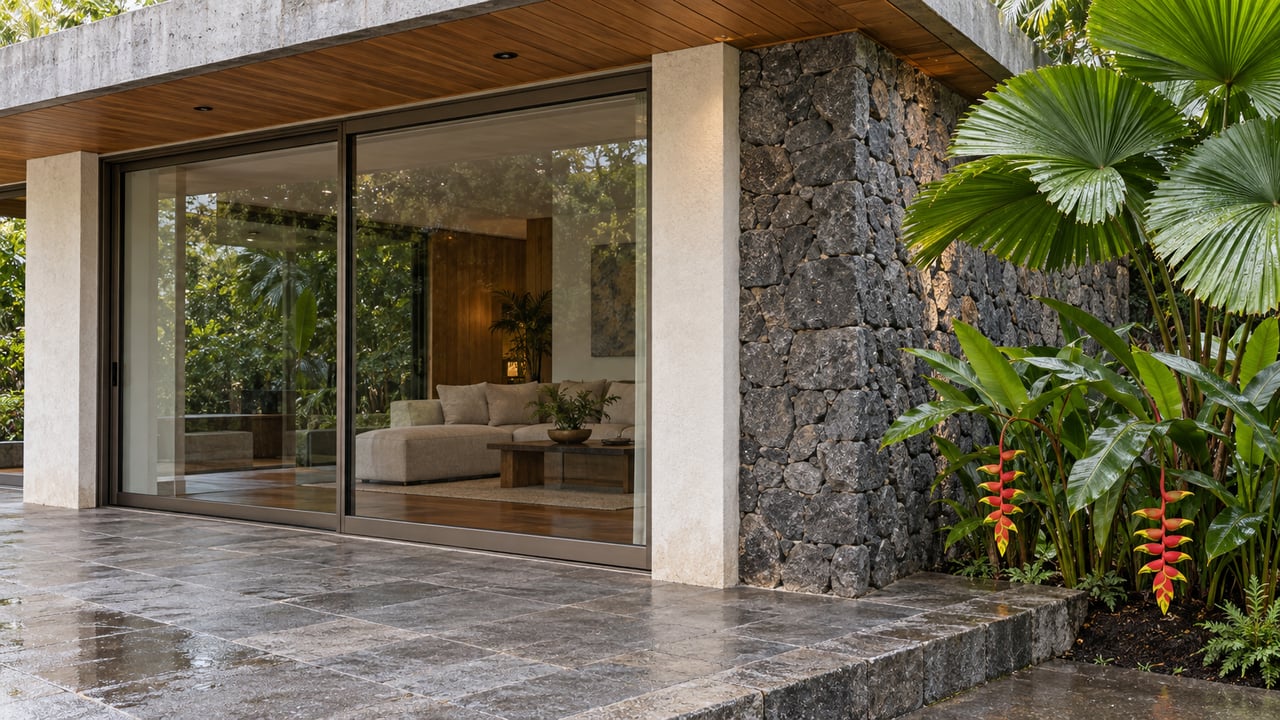
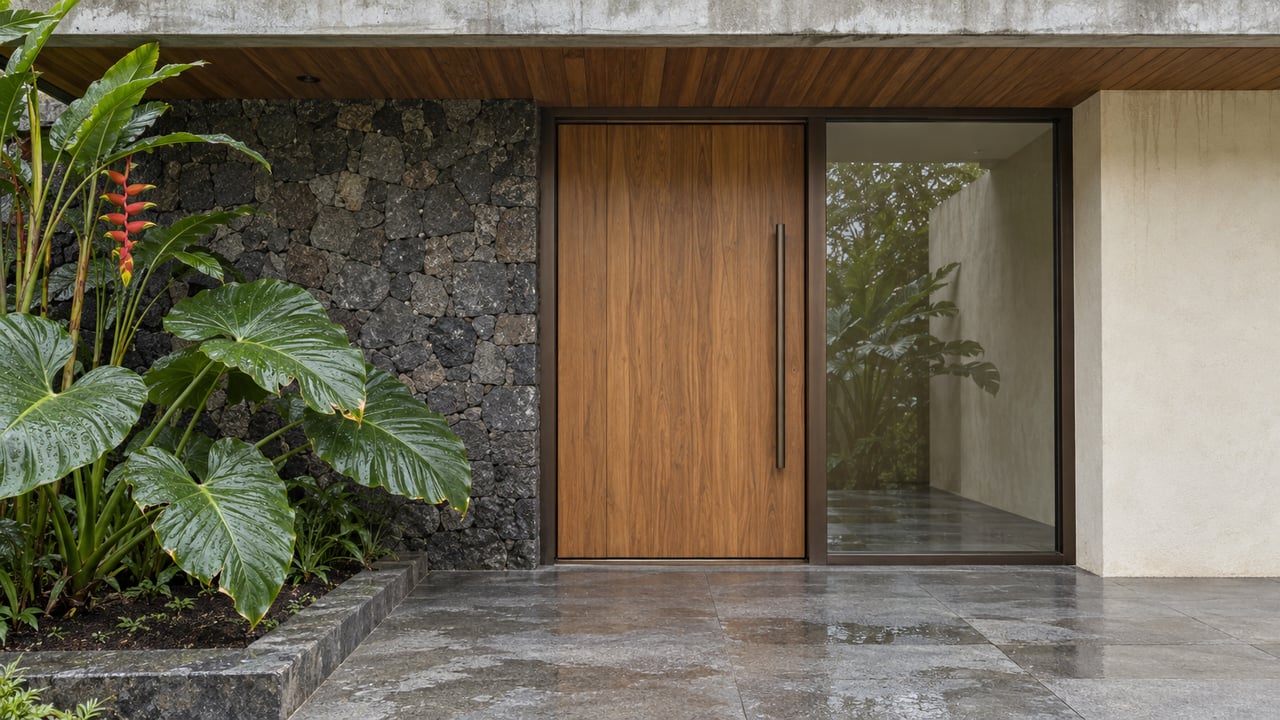
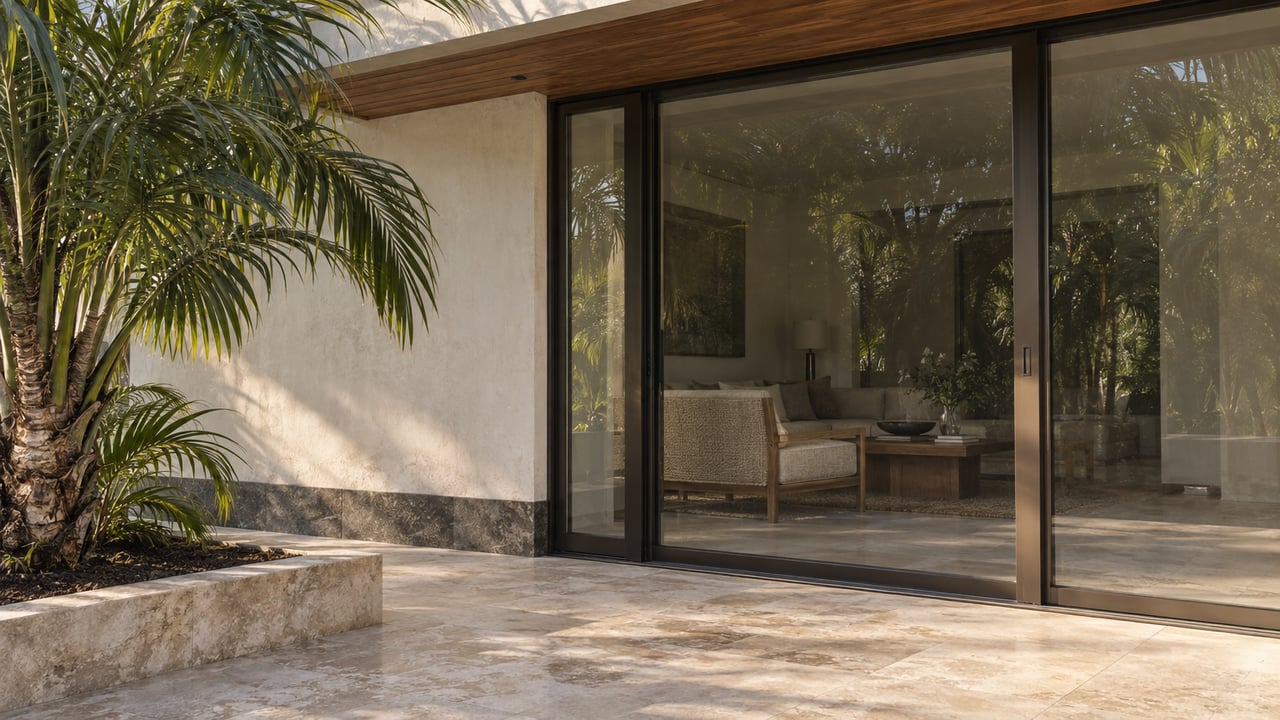

It would be our honor to help you find the perfect Costa Rica real estate opportunity that matches your lifestyle and interests. Connect with us to get started on your real estate in Costa Rica journey!
Plaza Coco Uvita Local 6 2nd FL, Bahia Ballena, Puntarenas 60504, Costa Rica