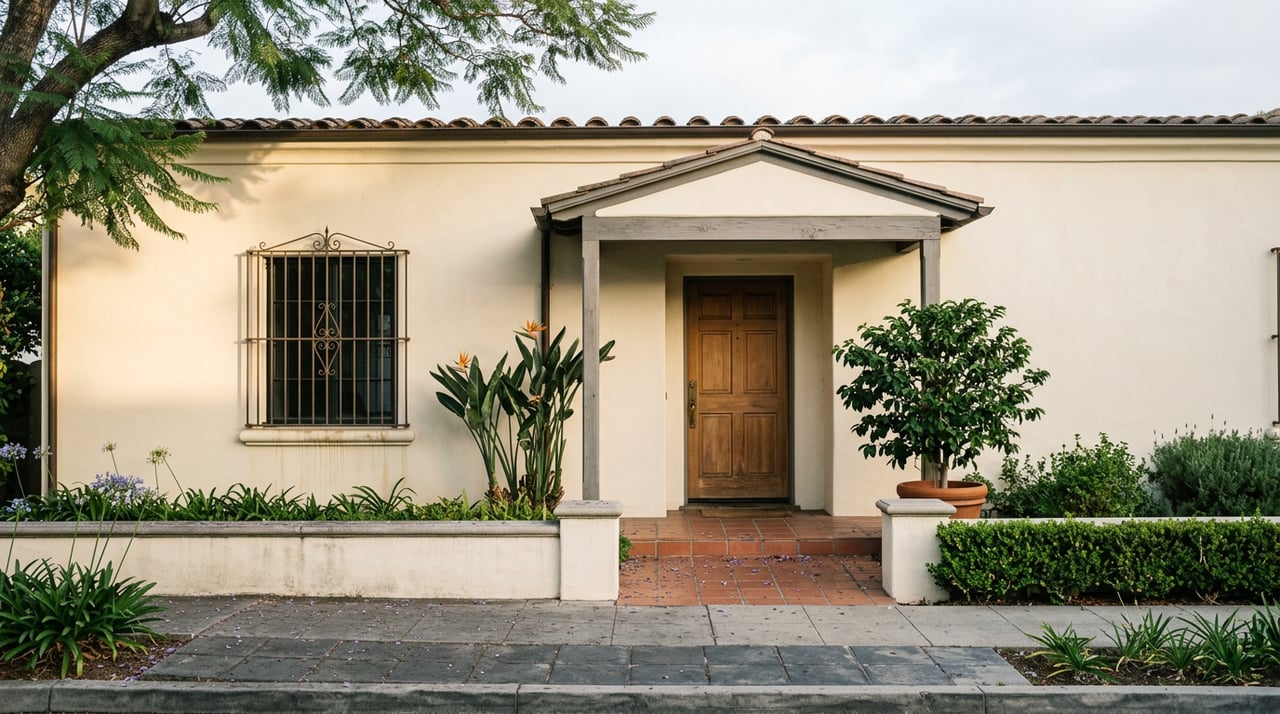
The Real Reason Barrio Escalante's Streets Still Feel Unfinished
August 13, 2026
August 13, 2026
The money for a full street overhaul one neighborhood over is already approved. The legal path is clear. City engineers have said the work could start immediately. And yet, if you walked past Calle de la Amargura this month, you'd have found the same worn asphalt and crowded curb that have defined it for years, because the project was just put on pause. Not for lack of funding. For pipes.
That detail matters if you live anywhere near Barrio Escalante, because it explains something residents have been feeling without quite naming: why a neighborhood that keeps adding restaurants, cafes, and foot traffic still has streets that feel like they belong to an earlier, quieter version of itself. The gap isn't political will. It's what's underground.
Calle 33, the strip locals call the paseo gastronómico, keeps absorbing new openings the way it has for over a decade. Al Mercat, the farm-to-table restaurant chef José González opened in 2014 after training at Le Cordon Bleu in Paris, still pulls a meaningful share of its ingredients from his family's finca in Tirrases, Curridabat, a detail that shows up on more than one visiting food writer's account of the place. A few doors down, Apotecario keeps its own microbrewery running, pouring Cervecería Calle Cimarrona ales alongside a commitment to buying from the same small regional producers Al Mercat uses.
Isolina serves elevated Costa Rican food out of a converted historic house. Sikwa has built its menu around indigenous ingredients and cooking traditions rarely found on a commercial menu anywhere else in the city. Franco is where the neighborhood goes for brunch and specialty coffee. Olivo Verde covers the Mediterranean end with a strong vegetarian and vegan list, and Casa Agápe does the elegant, restored-home dinner experience for people marking an occasion. DOMA Escalante sits right off the Rotonda del Farolito, close enough to Al Mercat that both show up in the same walking loop.
As one industry writer put it this past June, Barrio Escalante keeps turning into a neighborhood built around a rotating cast of gourmet restaurants, with Isolina cited as one of the clearest examples of that shift. Los Yoses next door has followed the same arc: two districts that started as quiet residential blocks now function as the gastronomic center of San José, according to local coverage from late last year.
None of that is new information if you already eat here weekly. What's less obvious is what all that growth is actually competing against for space.
Barrio Escalante wasn't laid out for this. The neighborhood began as a coffee farm owned by the Escalante family, developed into a residential enclave for the coffee-boom elite in the early twentieth century, the same wave that produced Barrio Amón and Otoya nearby. Because it was the last of that generation of neighborhoods to fill in on the east side of San José, much of its street grid and infrastructure has stayed close to its original footprint, which is part of why the architecture still reads as historic rather than renovated-over.
That layout is now carrying a lot more than it was designed for. Parque Francia still anchors the center of the neighborhood the way it always has, a small park with a fountain and shaded benches. Cine Magaly, open since 1978, still runs its independent film slate out of the same building, with Kubrick Café attached for anyone grabbing food before a screening. The Antigua Aduana, once the country's literal customs house, still functions as a cultural venue for concerts and performances. Saturday mornings still belong to Feria Verde de Aranjuez, the farmers market that takes over a riverside athletic campus with produce stalls, prepared food, and live music, with the same grounds hosting community sports and flea markets the rest of the week.
Layer a restaurant boom on top of all of that foot traffic, and the strain on parking and sidewalk space isn't a mystery. It's arithmetic. Which is exactly why what just happened one border over, in Montes de Oca, is worth paying attention to.
Calle de la Amargura sits just past Barrio Escalante's edge, and its transformation has been framed by Montes de Oca's municipal government as the country's first major tourism, culture, and gastronomy corridor, an attempt to pull daytime family visits into a strip currently defined by nightlife. The number attached to it is real: an investment above ¢1,500 million, already backed by a credit line, with mayor Domingo Argüello confirming the technical studies and budget were ready to move.
Then the work stopped.
Argüello explained to local press this month that the surface work went on a mandatory pause so the project could be handled properly rather than quickly. Underneath the street sit decades-old sewage and storm water pipes that the Instituto Costarricense de Acueductos y Alcantarillados needs to replace before anyone repaves on top of them. Pave first, and the same street gets torn open again within months to fix what's underneath it. The municipality decided that outcome was worse than the delay.
There's a jurisdictional wrinkle here that residents on the border between the two neighborhoods live with directly. Costa Rica's national road authority, Conavi, and the transport ministry, MOPT, both declined to take responsibility for funding the work, pushing the full cost onto Montes de Oca's local government. San José's municipality, despite Barrio Escalante sitting close enough to feel the disruption from Amargura's construction, didn't step in to cover any part of it either. Two city governments, one shared border, and neither budget line quite reaching all the way across it.
If you live in this pocket of San José, the useful takeaway isn't that nothing is happening. It's that the visible work, the repaved street, the widened sidewalk, the boulevard everyone's been picturing, always comes after invisible work that has nothing to do with restaurants or foot traffic and everything to do with what's been sitting underground since before either neighborhood had a gastronomic reputation to protect.
San José's own municipality floated something similar for Escalante's central street back in 2021, proposing to convert roughly 620 linear meters of the neighborhood's spine into a pedestrian boulevard, backed by a $3.4 million line of credit from the World Bank, down to one traffic lane running north. Whatever has happened with that plan since, the Amargura experience gives a fairly accurate preview of what any restart would look like: approved money, a technical pause, and a wait on pipes rather than paperwork.
There's a smaller, more immediate version of this same capacity squeeze that played out on the calendar just this past week. Mercado La California, the food-and-drink venue that sits in the same El Carmen district as Barrio Escalante, hosted a Human Tetris show on August 7. It's a reminder that the district's appetite for foot traffic doesn't pause for construction anywhere nearby, whether that's a new restaurant opening on Calle 33 or a one-night show two blocks from it.
None of this changes what makes the neighborhood work day to day. The restaurants keep their tables full, Feria Verde still opens on time every Saturday, and Cine Magaly still runs its slate of films most people driving past never notice. What's changed is having an actual answer the next time someone asks why the street outside still looks the way it did five years ago. It's not that nobody's paying attention. It's that the ground has to go first.
If you're the kind of person who tracks these details because you already call this part of San José home, Tropical Investments keeps the same close eye on the neighborhood, its infrastructure, and everything that shapes what it's actually like to live here. Browse Properties whenever you're curious what that attention looks like applied to a specific address.

It would be our honor to help you find the perfect Costa Rica real estate opportunity that matches your lifestyle and interests. Connect with us to get started on your real estate in Costa Rica journey!

Plaza Coco Uvita Local 6 2nd FL, Bahia Ballena, Puntarenas 60504, Costa Rica