Confused by closing costs in Costa Rica? Don’t be. We break down exactly what you need to know in this ultimate guide.
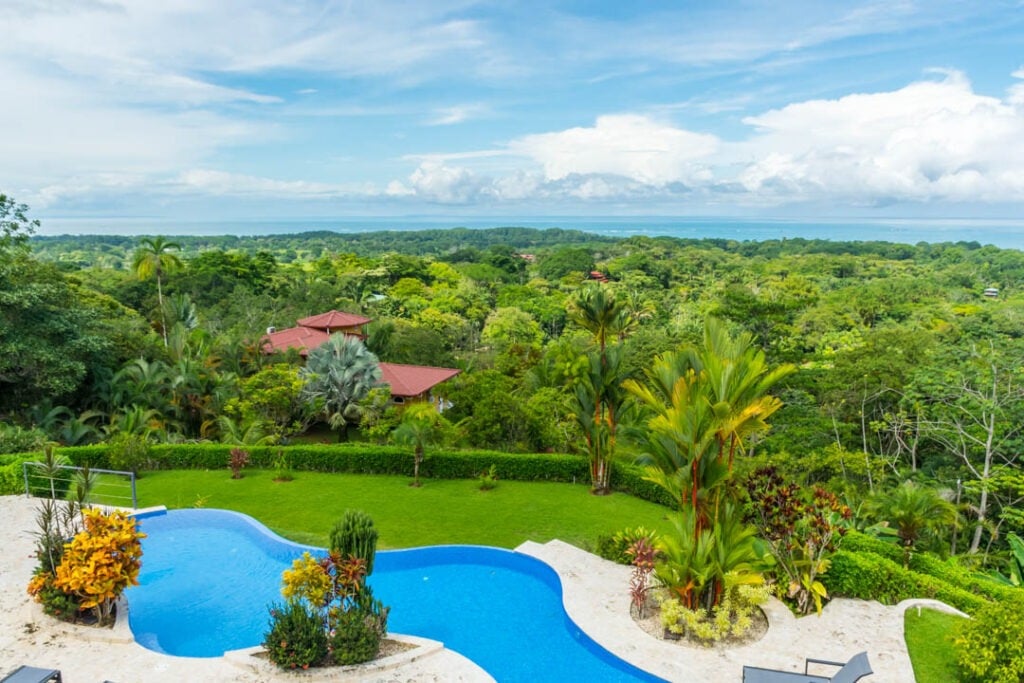
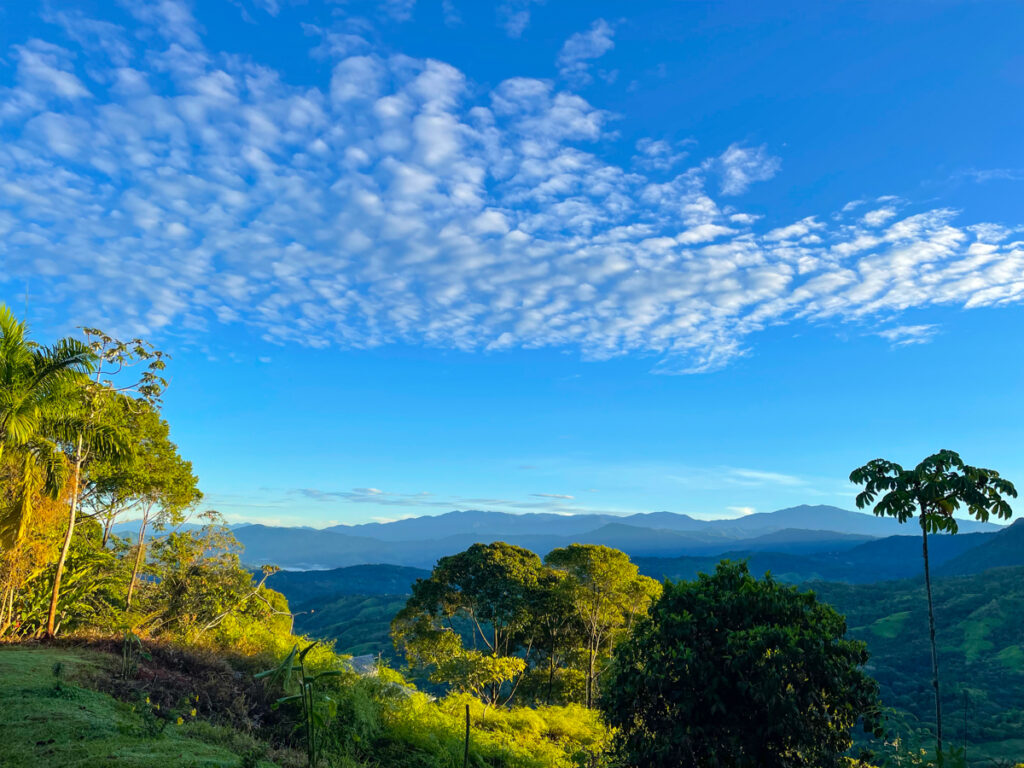
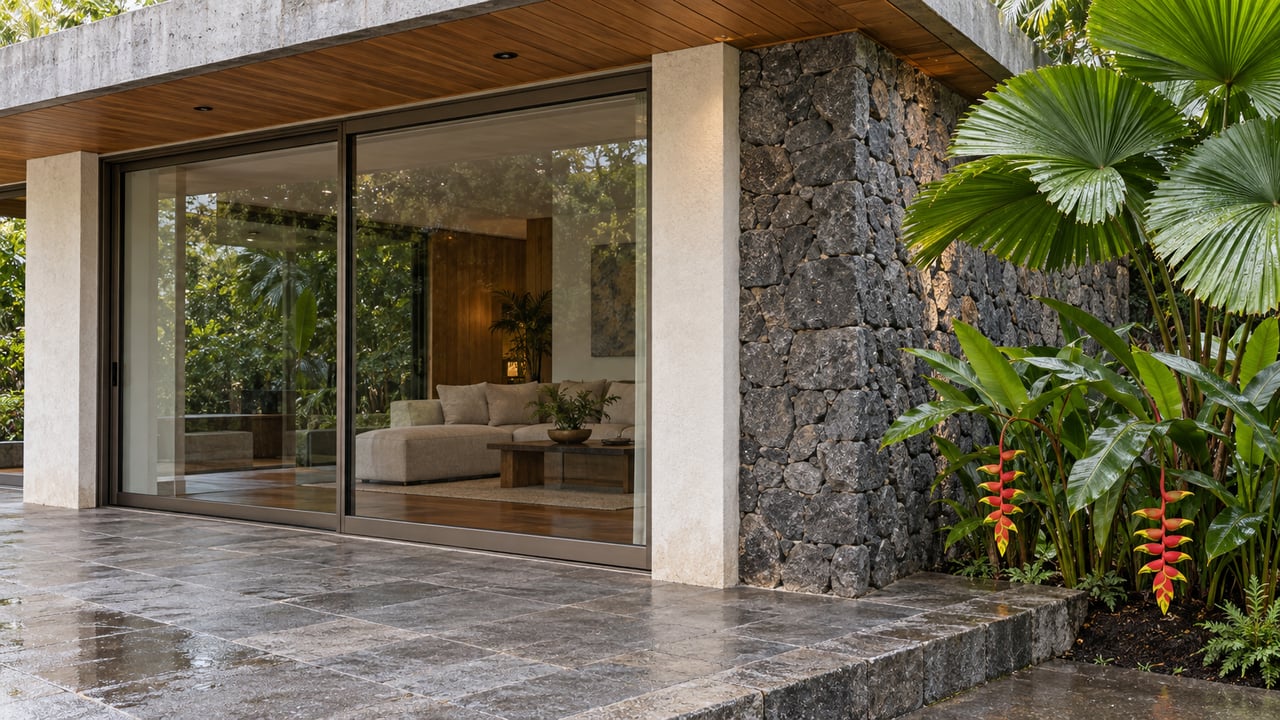
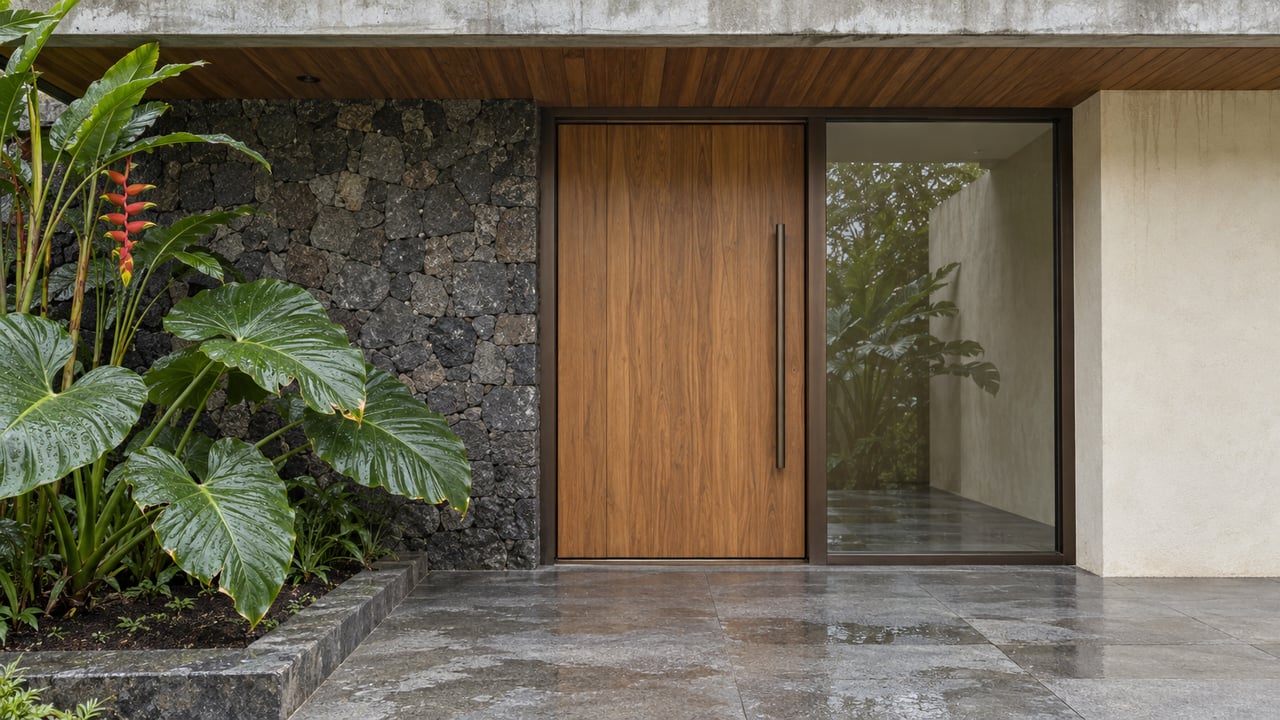
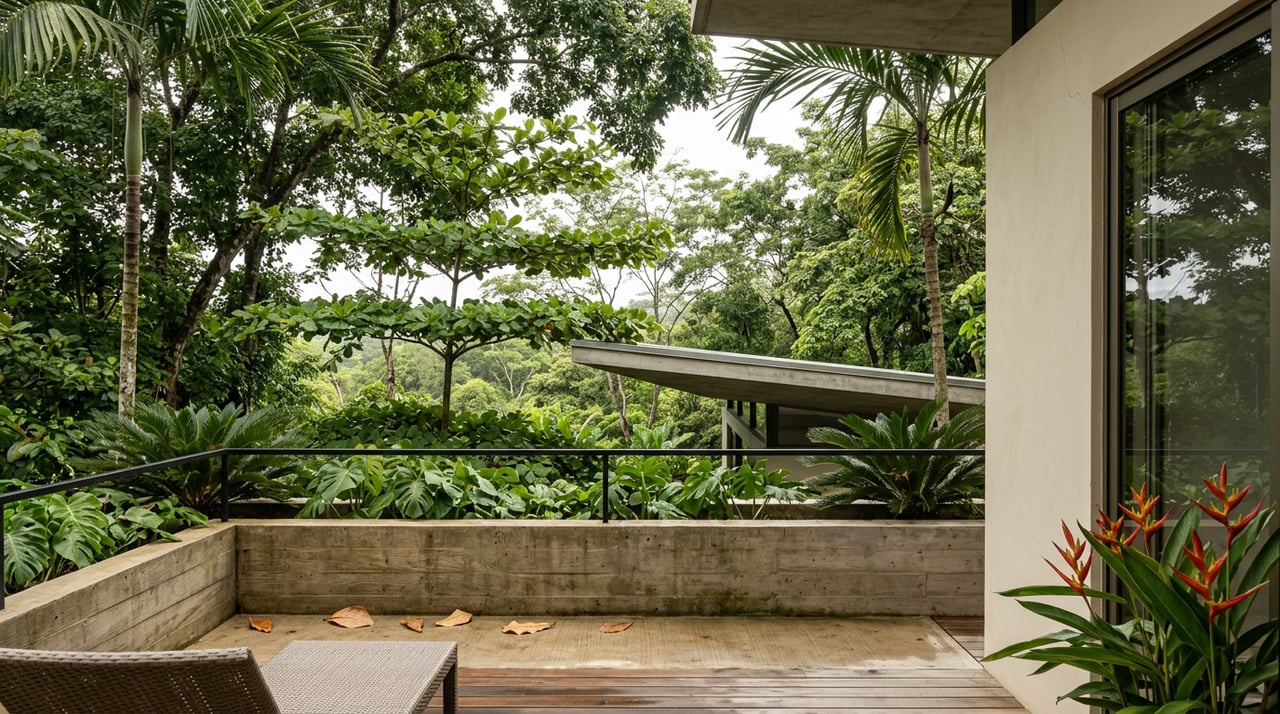
Pictured Here: Monkey Ranch
The hard part is over, and you’re just a few steps away from owning your dream home in Costa Rica. First off — congratulations! You’ve put in the sweat and research to make it to this point. Now, you’re only a few dotted i’s and crossed t’s from sipping margaritas on your ocean-front balcony.
Now, there’s just one last thing you’ve got to do: close on your dream home!
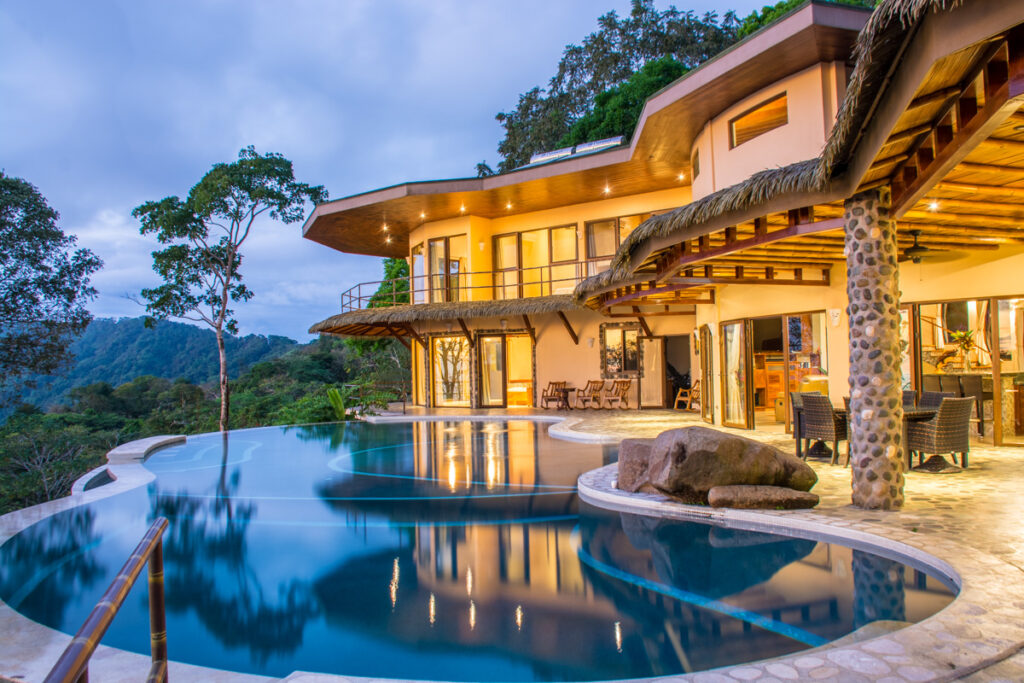
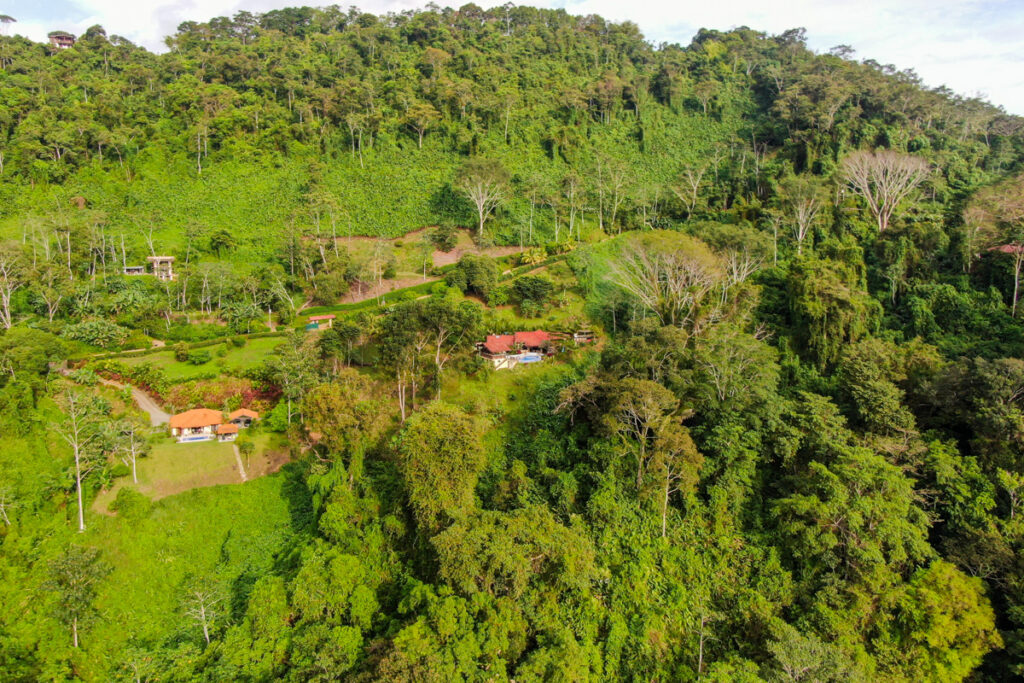
Pictured Here: Monkey Ranch
Closing costs in Costa Rica might sound confusing at first, but with a bit of research, you’ll realize it’s all pretty straightforward.
So, sit back, keep reading, and let us help you cross the finish line.
Pro tip: Who you work with matters. With over 15 years of experience and more than 50 million in closed sales, Tropical Investments ensures you make the right, worry-free investment. Get in touch today to learn how we can help you navigate the purchasing process in Costa Rica with ease.
Closing costs in Costa Rica: The last step to the purchasing process
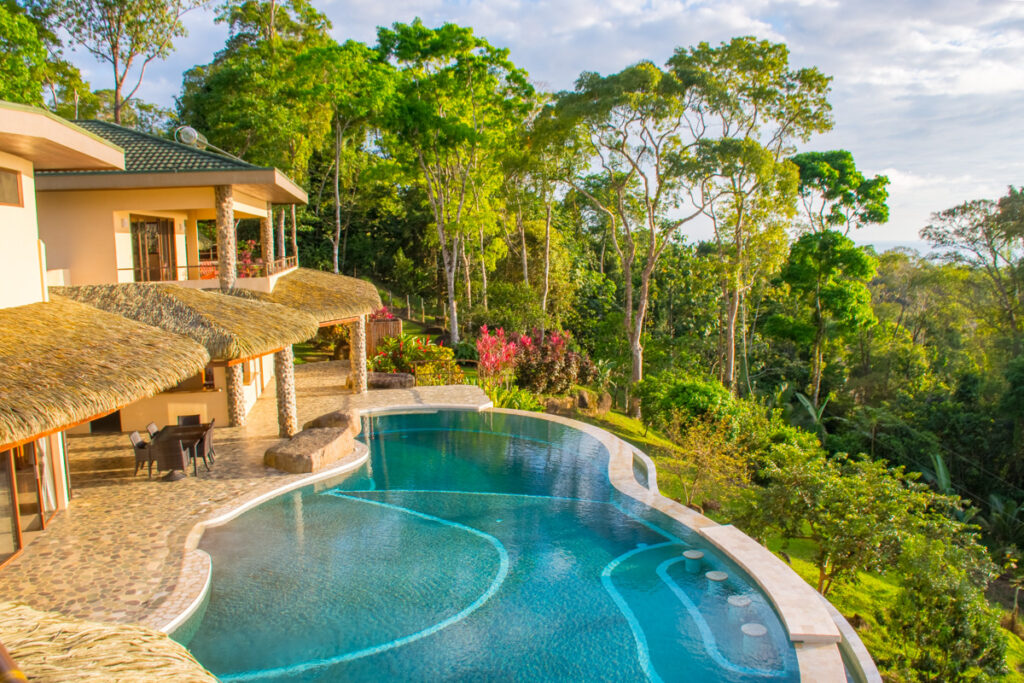
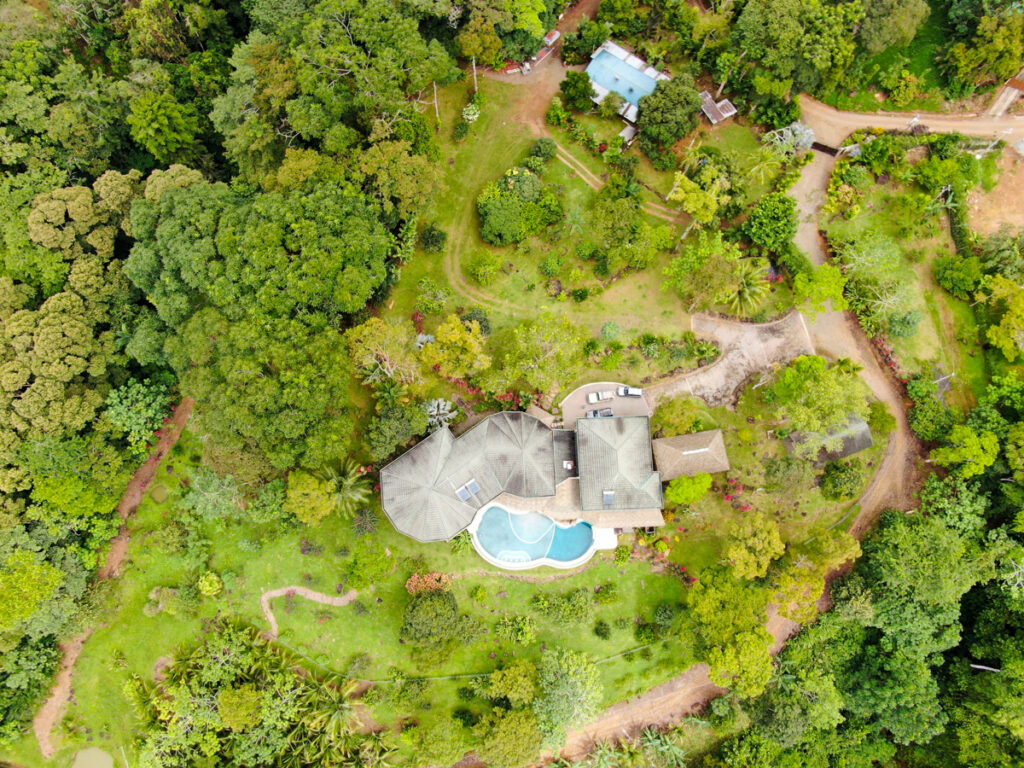
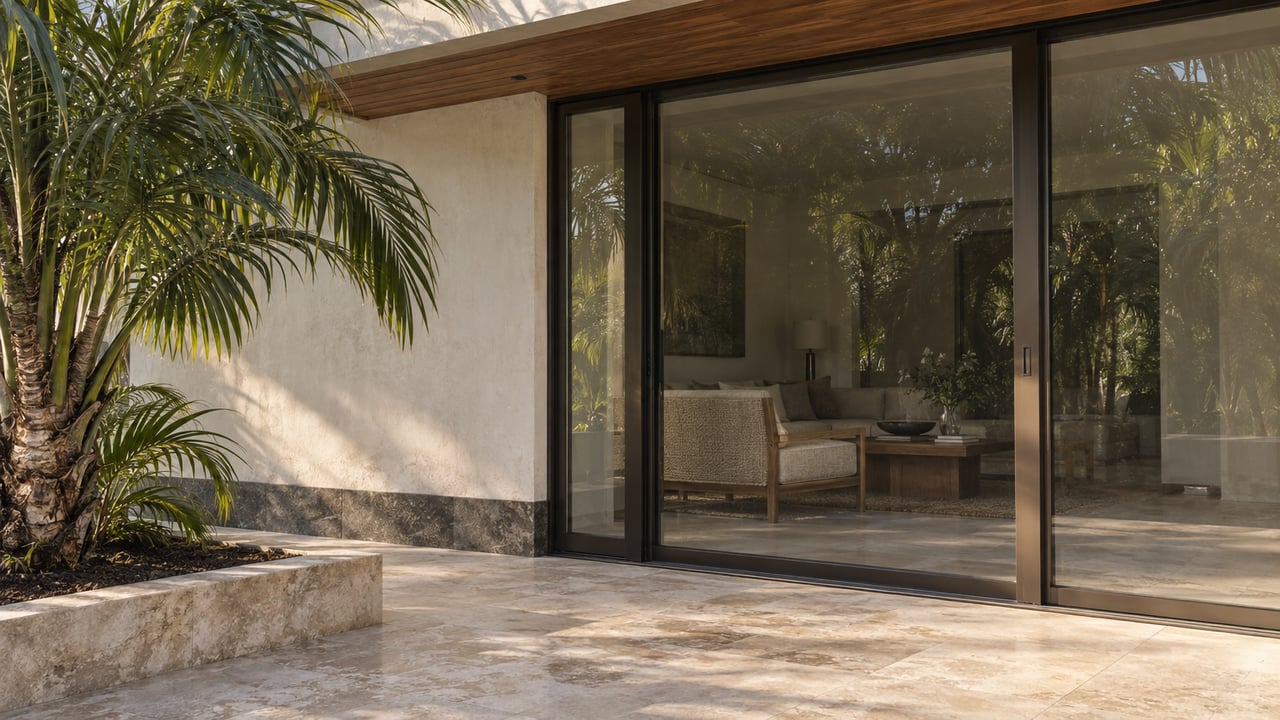
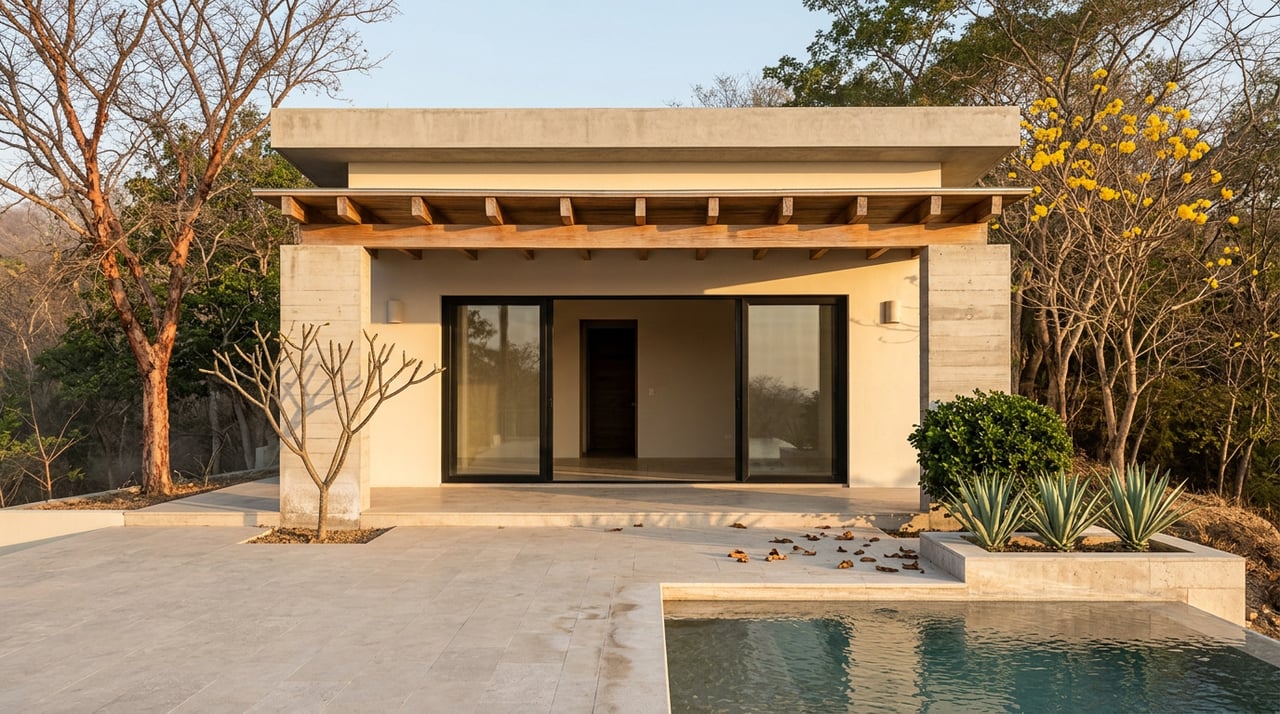
Pictured Here: Cascada Azul
Before we dive into closing costs in Costa Rica, it helps to understand the steps of the purchasing process.
If you missed it, check out our Ultimate Guide to the Purchasing Process in Costa Rica. You’ll become a pro on topics like:
- Opening an Escrow account in Costa Rica
- The steps to finalize your home purchase
- Why you need a Costa Rican corporation to hold your property
Now…Ready to close on a piece of paradise? Let’s discuss the nitty-gritty of closing costs in Costa Rica, so you can say adios to the paperwork and hola to the Pura Vida.
P.S. Wondering why Costa Rica? Discover our top ten reasons to move to Costa Rica this year.
Closing Costs in Costa Rica: Your step-by-step guide
Let’s start with one of the most common questions we hear when it comes to closing costs in Costa Rica… who pays?
Typically, the cost of the title transfer is shared 50/50 between the buyer and the seller. Of course, this can vary depending on how you negotiate the contract (and the state of the real estate market).
How are closing costs in Costa Rica calculated?
Pictured Here: Cascada Azul
Whether you purchase a home vs land in Costa Rica, closing costs are calculated as a percentage of your property’s value. For tax purposes, your property value is calculated by whichever is higher:
1. The contracted sales prices
2. The registered fiscal value in the National Registry
All the closing costs are a percentage of your property value, so when calculating your closing costs in Costa Rica, you’ll want to have this number handy.
What are the closing costs in Costa Rica?
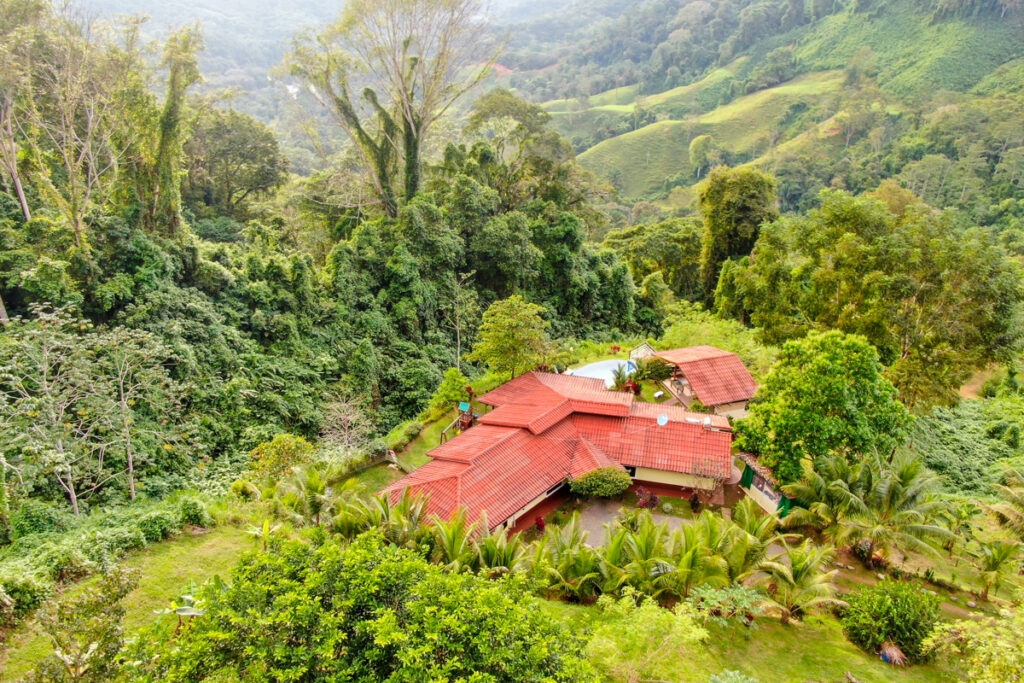
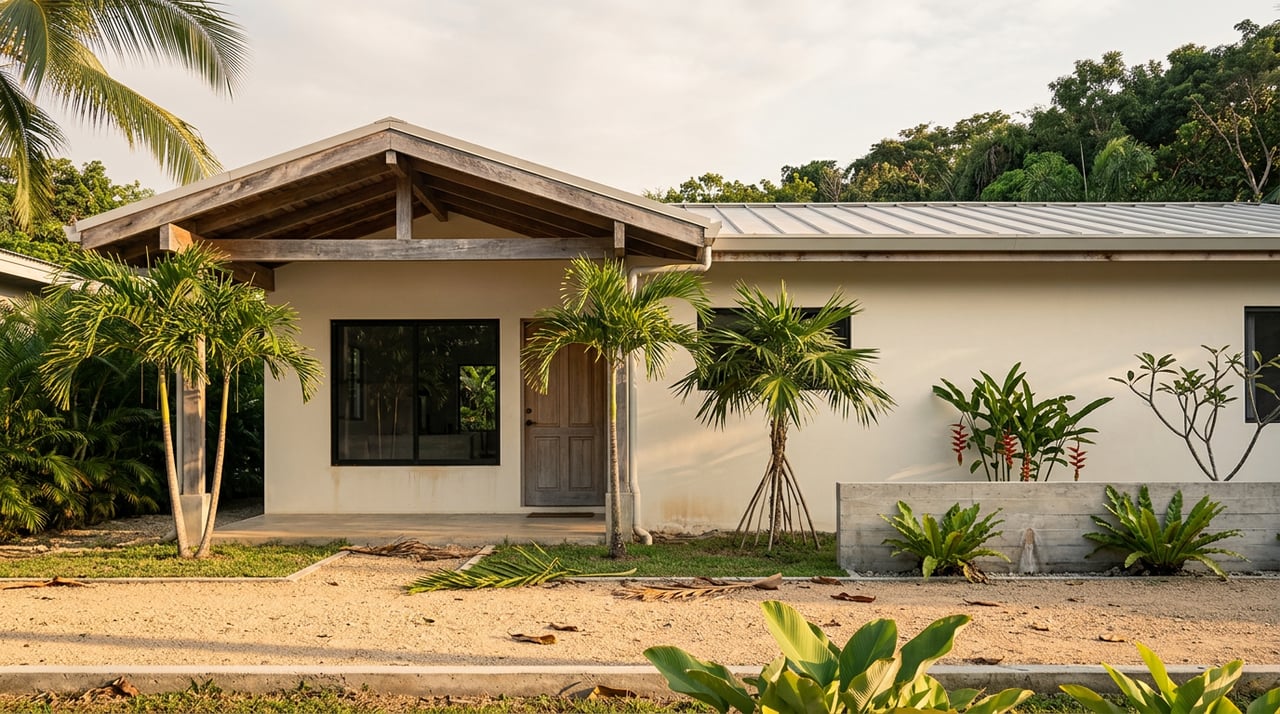
Pictured Here: Monkey Ranch
There are three primary categories of fees:
1. Property transfer taxes
The transfer tax is 1.5% of your property value .Let’s say your contracted sales price is $544,000, but the recorded fiscal value is $600,000. Since the latter is higher, you’ll pay 1.5% of the fiscal value. That puts your transfer tax at $9,000.
2. Stamp fees
Stamp fees ensure all documentation is official in any legal process. For closing costs in Costa Rica, you’ll need two types of stamps: National Registry Stamps and Documentary Stamps.
National Registry Stamps are just .5% of your property value.
There are five different documentary stamps, each with its own cost:
- Agrarian: 0.15%
- Fiscal Stamp: less than $2
- National Archives: less than $1
- Bar Association: less than $100
Municipal: 0.2%To cover all fees associated with Documentary Stamps, budget for 0.35% of your property value (for the Agrarian and Municipal stamps) and around $100 (for the Fiscal, National Archives, and Bar Association stamps).
3. Notary registration fees
Only lawyers can become notaries in Costa Rica. When you work with a trusted legal representative (Tropical Investments can recommend you to the best in the area) for your property purchase, then you can rest assured that they are reputable notary publics.
Suppose your property value is over 30 million colones (approximately $46,000). In that case, your notary registry fees will be around 462,500 colones, or $718 for the first 30 million colones — plus an additional 1.0% of your additional property value.Let’s say your property is valued at $460,000. You’ll pay around $718 for the first $46,000. Then, you’ll pay 1.0% of $414,000 ($460,000 – $46,000), which is $4,140. Your total Notary Registration Fees for a property valued at $460,000 would then be $4,858 ($4,140 + $718).
You’ll pay Notary Registration Fees on a sliding basis as your property value increases. When in doubt, speak with your real estate representative or lawyer about the exact Notary Registration Fee. They can help you navigate the math so you can budget for closing costs in Costa Rica.
Pro Tip: Don’t forget about the IVA, Costa Rica’s VAT. The VAT is 13% of your Notary Registration Fees. This is a legal tax that your lawyer will have to pay the government.
Other costs associated with purchasing property in Costa Rica
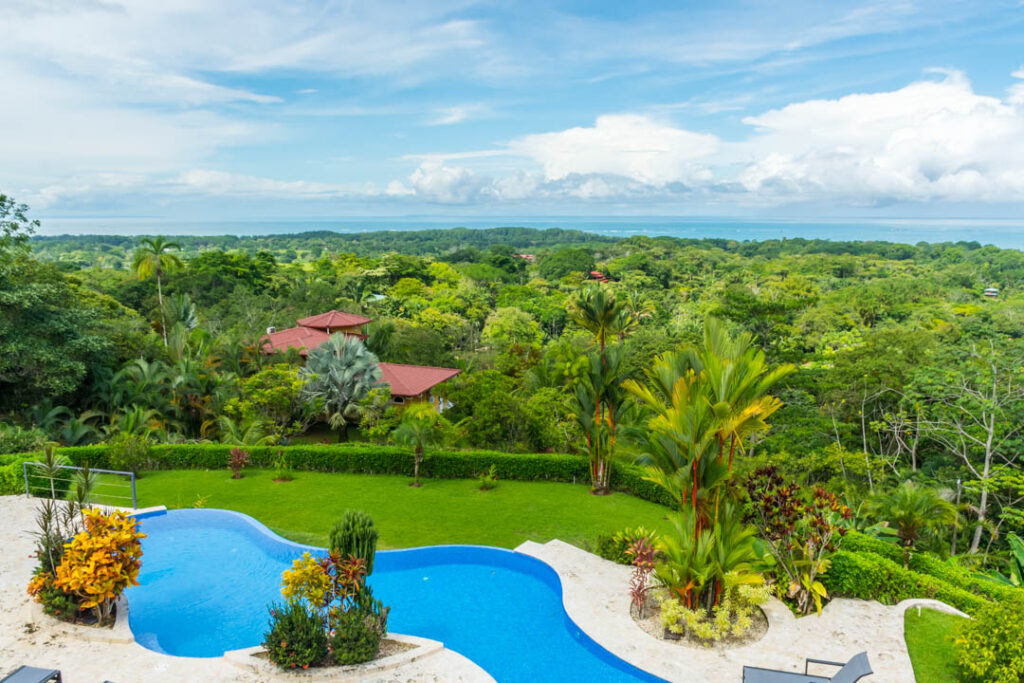
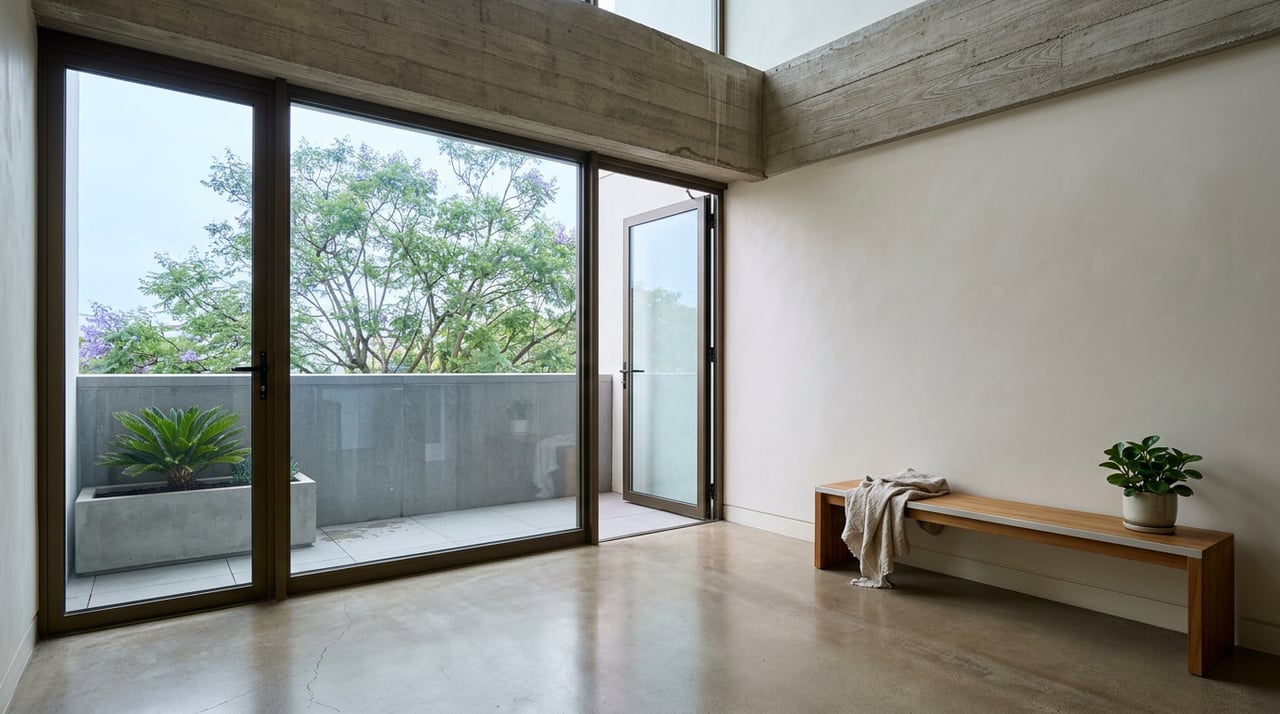
Pictured Here: Luxury Villa Terrace
You may incur a few more charges before final closing costs, like a home inspection and a property survey. The average price of a home inspection will cost around $300 $1,000, depending on how large the property is. You will need to hire a surveyor to verify your property’s boundary for the property survey. Cost depends on the size of the property.
We review the steps of the purchasing process in Costa Rica in detail here, so hop over to this guide to better understand additional closing costs.
The bottom lineYour closing costs in Costa Rica are determined as a percentage of your property value. You can roughly calculate these costs as follows:
- Transfer tax: 1.5%
- Stamps: 0.85% + $103
- Notary Registration (Legal) Fees: Around $718 + 1% of (your property value – 30 million colones) with a VAT added on (calculated as 13% of your notary registration fees)
Remember that Costa Rica’s annual property taxes are just 0.25% to 0.55%
So, while you might have to pay a bit more for closing costs on the front end, the low annual property taxes more than make up for the initial investment.