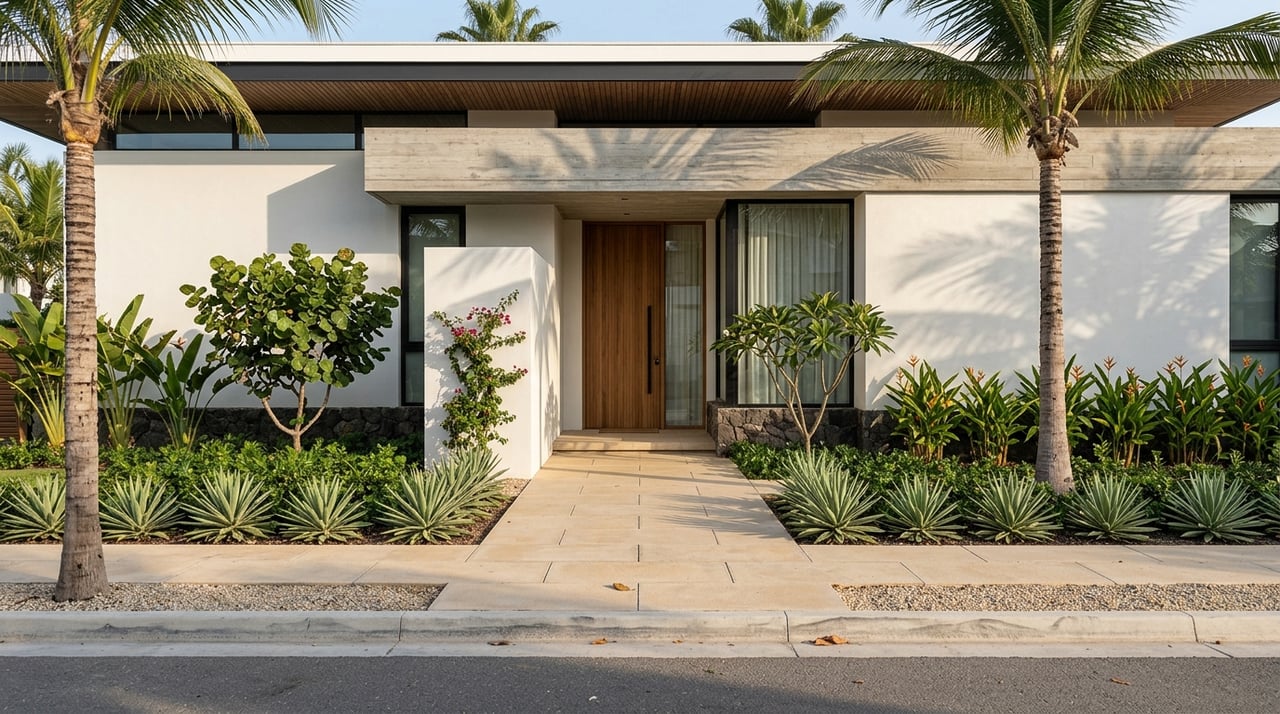
Finding Your Ideal Beach Town In Guanacaste
May 7, 2026
May 7, 2026
Choosing a beach town in Guanacaste can feel exciting and overwhelming at the same time. With more than 400 miles of coastline, a wide range of beach settings, and direct access through Liberia’s international airport, you have a lot of strong options to sort through. The good news is that your ideal fit usually becomes clear once you focus on lifestyle, access, and day-to-day rhythm. Let’s dive in.
The best beach town for you is not always the most famous one. It is the place that matches how you want to live, relax, work, or invest when you are actually there.
In Guanacaste, beach towns vary quite a bit from one area to the next. Some are more social and active, some feel wellness-focused, some are tied to resort living, and others are quiet and low-key. That variety is one of the province’s biggest strengths.
Costa Rica’s tourism authorities describe Guanacaste as one of the country’s most developed tourism regions. The province stretches from the Nicaragua border to the Bongo River estuary on the Nicoya Peninsula, and it benefits from direct air access through Daniel Oduber Quirós International Airport in Liberia. For many buyers, that combination of coastline and accessibility is a major reason to start here.
Climate plays a bigger role than many buyers expect. If you are looking for a sun-forward beach lifestyle, Guanacaste stands out on Costa Rica’s Pacific side.
The Pacific coast has a clear dry season from December to March, a rainy season from May to October, and a short veranillo in July and August. Costa Rica’s meteorological and tourism sources also describe the North Pacific as one of the country’s driest and warmest zones, which helps explain Guanacaste’s strong appeal for second-home buyers and lifestyle-driven relocations.
That does not mean every town feels the same year-round. It does mean you should think about whether you prefer a bright, dry coastal rhythm or a greener, wetter setting found in other parts of the country.
One of the most practical ways to narrow your search is to think about how connected you want to be. In Guanacaste, larger hubs tend to make errands, transportation, and services easier, while smaller villages often feel quieter and more self-contained.
Liberia is the province’s most developed city and a major service center, with basic services, hotels, restaurants, and the airport. Santa Cruz is another northern commercial hub, while Nicoya and Sámara help anchor the southern side of the province’s tourism network.
If you want simple airport access and a more connected coastal base, northern areas may feel easier. If you are drawn to a more tucked-away experience, parts of the Nicoya Peninsula and the southern stretch of Guanacaste may be a better match.
If you want an active beach town with a strong social scene, Tamarindo is one of the clearest choices. It is known for surfing, a lively atmosphere, and a broad mix of restaurants.
Visit Costa Rica describes Tamarindo as a mangrove-backed beach area with dining options for many budgets, very active nightlife, famous surf, and long-standing Blue Flag recognition. The area is also closely tied to mangroves and the nearby Las Baulas National Marine Park, which adds an environmental dimension to its appeal.
Tamarindo can work well if you want movement, activity, and a beach town with broad visitor appeal. If your goal is peace and privacy first, you may prefer a calmer town nearby.
If your ideal day includes surf, yoga, outdoor movement, and a quieter atmosphere, Nosara and Playa Guiones deserve a close look. This area has a distinct identity within Guanacaste.
Visit Costa Rica describes Nosara as the land of surfing, yoga, and good smoothies. Guiones is known for its 7 kilometers of white sand, quiet feel, environmental consciousness, and surf schools, while nearby Ostional is tied to one of Costa Rica’s major turtle-nesting spectacles.
The Nicoya Peninsula is also recognized as an official Blue Zone, and Costa Rica’s tourism sources connect the area’s wellness appeal to yoga centers, meditation retreats, surf schools, and organic farms. For buyers who want a health-oriented and nature-conscious setting, this part of Guanacaste often rises to the top.
If you are looking for a more polished resort environment with easy access to the airport, Papagayo stands out. It is one of the province’s most established resort corridors.
Costa Rica tourism sources describe the Papagayo tourism pole as having 12 complexes and 17 beaches, with calm sea conditions suited to families, diving, and water sports. The concentration of luxury and all-inclusive properties near Liberia Airport reinforces Papagayo’s position as a convenience-meets-resort option.
This area may appeal to you if you value managed environments, nearby hospitality services, and a coastal setting that feels established. It is a practical choice for buyers who want less isolation and more infrastructure close at hand.
Sámara and Carrillo are two of the most approachable options if you want a relaxed beach-town experience with calm-water appeal. They are often a good fit for buyers who want comfort without a heavy nightlife focus.
Visit Costa Rica describes Sámara as a destination with white sand, beginner surfing, kayak, ATV, and horseback tours, plus abundant hotels and restaurants. Carrillo is known for calm waves, safe swimming, shade from coconut trees, and Blue Flag certification.
These towns can make sense if you want a welcoming coastal environment with recreation and services nearby. They are especially useful to consider when you want a beach lifestyle that feels active but not overly busy.
These three northern Guanacaste beach areas each offer a different balance of convenience and atmosphere. If you are deciding between them, the differences are worth noting.
Flamingo is described as a place for travelers who want good hotels and a quiet atmosphere. Potrero offers calm waters, estuaries, and access to swimming, diving, sunbathing, hiking, and horseback riding.
Coco, by contrast, is one of the area’s most popular spots because of its nightlife and visitor volume. If you want more activity and traffic, Coco may suit you. If you want a calmer setting while staying in the northern corridor, Flamingo or Potrero may feel more aligned.
Not every buyer wants a high-profile beach address. Some people come to Guanacaste looking for stillness, space, and a more traditional coastal pace.
Coyote and Bejuco represent that lower-key side of the province. Costa Rica tourism guidance describes Coyote as a place that still feels like Guanacaste of years past, with small houses and a simple town character, while Bejuco is framed as pristine and ideal for disconnecting and relaxing.
Junquillal also belongs in this conversation. It offers hiking, horseback riding, surfing, fishing, and kayaking, but is still described as peaceful and low-key rather than crowded. Panama Beach is another quieter option in the Papagayo area, with white sand and gentle surf for those who want calm without leaving the north-coast corridor.
If you are still deciding, it helps to sort towns by the lifestyle you want most.
This kind of filter will not replace an in-person visit, but it can help you focus your search faster. It also keeps you from comparing towns that serve very different goals.
A beautiful beach matters, but your decision should also account for practical needs. Services in Guanacaste are not spread evenly, and that affects how a town feels over time.
Tourism sources note that the strongest concentration of hotels, restaurants, tour operators, transport companies, and other services still sits around larger hubs and resort poles. That means your experience may look very different depending on how close you are to Liberia, Santa Cruz, Nicoya, Sámara, or one of the main resort corridors.
If you are buying for relocation, second-home use, or investment, that local context matters. A town’s rhythm, access, and service base can shape both your lifestyle and the kind of property opportunities you may want to explore.
Some buyers also compare Guanacaste with Costa Rica’s Southern Pacific. If that is you, the clearest difference comes down to climate and overall atmosphere.
Guanacaste is generally the better fit for sun-forward beach living, easier airport access, and a broad mix of surf towns, resort areas, and calm family-friendly beaches. The Southern Pacific is wetter, more rainforest-oriented, and more closely tied to biodiversity and ecotourism.
Neither is better across the board. The question is which lifestyle feels more like home to you.
If you are weighing beach towns in Guanacaste, the right choice usually comes from matching the location to your priorities, not following popularity alone. Whether you are drawn to wellness, resort convenience, surf culture, or quieter coastal living, a clear local strategy can save you time and help you focus on areas that truly fit your goals. To explore Guanacaste opportunities with grounded local guidance, visit Tropical Investments.

It would be our honor to help you find the perfect Costa Rica real estate opportunity that matches your lifestyle and interests. Connect with us to get started on your real estate in Costa Rica journey!
Plaza Coco Uvita Local 6 2nd FL, Bahia Ballena, Puntarenas 60504, Costa Rica