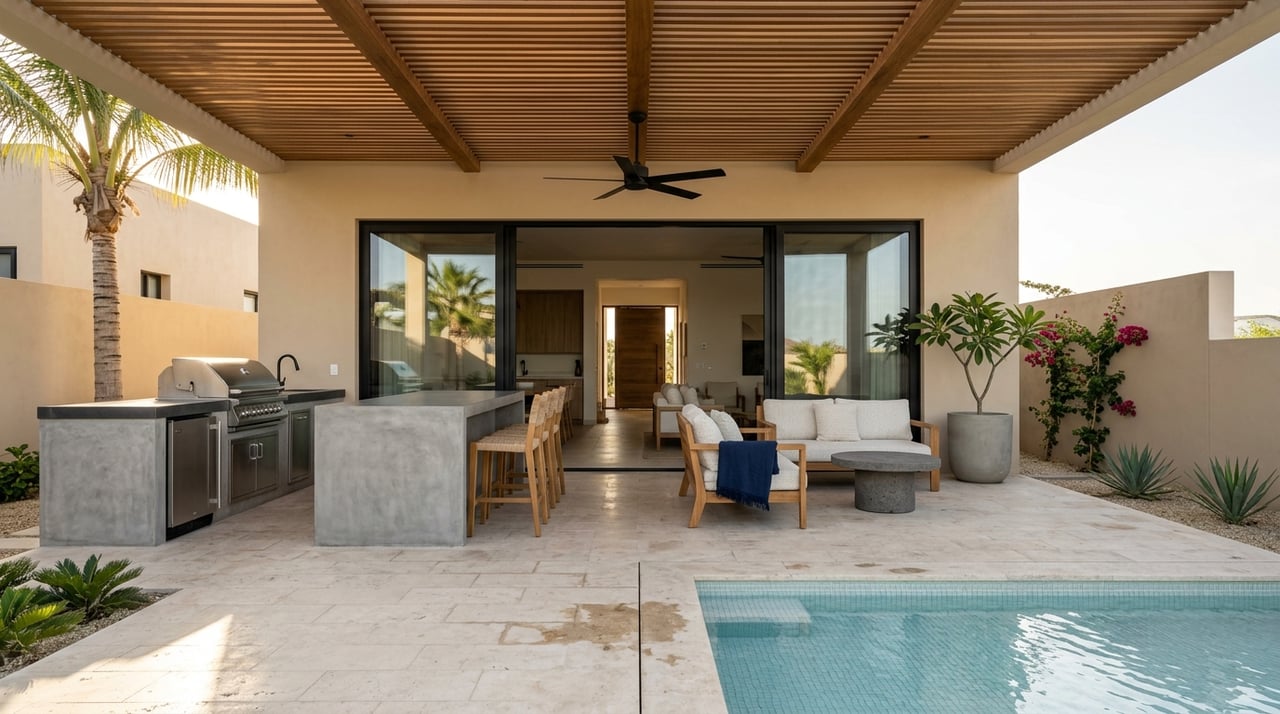
Guanacaste Rental Investment Guide for Smarter Analysis
May 14, 2026
May 14, 2026
Are you looking at Guanacaste and wondering whether a property will truly perform as a rental, or just look good on paper? That is a smart question, especially in a market shaped by tourism, seasonality, and very local demand patterns. If you want to invest with more clarity, this guide will help you evaluate what drives rental potential in Guanacaste, what can affect occupancy, and where due diligence matters most. Let’s dive in.
Guanacaste is one of Costa Rica’s best-known leisure markets, with more than 400 miles of Pacific coastline, protected areas, and established tourism centers such as Papagayo, El Coco, Flamingo, Conchal, Tamarindo, and Samara. It is also one of the country’s most visited and developed tourism regions, supported by Daniel Oduber Quirós International Airport.
That accessibility matters if you are evaluating rental income. In 2024, Costa Rica received 2,661,488 tourists by air, and 881,289 of those arrivals came through Daniel Oduber Quirós in Guanacaste. That airport segment grew 14.5% year over year, and the U.S. remained the largest source market.
For you as an investor, that points to a rental market driven heavily by international leisure travel. In practical terms, a property’s appeal may depend less on broad provincial averages and more on how well it fits the expectations of travelers arriving from North America and other international markets.
One of the biggest mistakes investors make is treating Guanacaste like one uniform rental market. It is not. Different areas attract different trip styles, and that can shape pricing, occupancy patterns, and guest expectations.
Visit Costa Rica highlights Papagayo, El Coco, Flamingo, Conchal, Tamarindo, and Samara as key tourism-development centers. It also points to different visitor draws across the province, such as surf and nightlife in Tamarindo, calmer beach and water activities in Samara, and surf and wellness experiences in Nosara.
That means your rental strategy should begin with a simple question: who is your likely guest? A home near restaurants and the beach may appeal to one type of traveler, while a more private property in a nature setting may fit another. Two properties in Guanacaste can have very different rental potential if they serve different guest profiles.
The strongest investment analysis is not just, “Will it rent?” It is, “What type of rental strategy does this specific location support?” That shift can help you underwrite more realistically.
Think about whether the property’s size, layout, and features match the type of stay the area tends to attract. If the location is known for short beach trips, guests may prioritize convenience and amenities. If the area attracts wellness or longer leisure stays, privacy, comfort, and setting may matter more.
Seasonality is one of the most important parts of rental analysis in Guanacaste. Costa Rica’s Pacific region has a defined dry season from December through March, a transition month in April, a rainy season from May through October, and another transition month in November. July and August are often considered a brief “little summer” within the rainy season.
That seasonal pattern shows up clearly in airport arrivals. In 2024, Daniel Oduber recorded its strongest months in January, February, March, and December, while September and October were the weakest months by a wide margin.
Jan-Apr plus December accounted for 56.4% of all arrivals through the airport, while September and October accounted for about 6.2%. If you use one flat annual occupancy assumption, you can easily miss how much cash flow may depend on peak-season performance.
A better approach is to model expected occupancy month by month. That helps you see how dry-season demand, holiday travel, and low-season softness can affect your annual results.
This matters even more if you are buying with financing, budgeting for professional management, or planning on upgrades after closing. Strong high-season revenue may need to carry lower-performing months, so your projections should leave room for that reality.
Occupancy is important, but it is not the whole story. Costa Rica’s 2024 air-visitor survey found an average stay of 12.2 nights and average spend of US$1,601.8. While that is a national air-travel benchmark and not a property-specific rental metric, it suggests many visitors are staying for multiple nights rather than making very short visits.
For you, that means rental potential should also be evaluated through stay length, pricing strategy, and guest fit. A property that attracts fewer but longer bookings may perform differently from one that depends on faster turnover and short gaps between reservations.
In a tourism market like Guanacaste, guests often compare properties based on convenience, comfort, and how well the home supports the trip they want. That is why property-level details can have a major impact on performance.
Useful evaluation questions include:
These are not universal requirements, but they are common differentiators in a market where visitors may be choosing between beach, surf, wellness, and resort-style stays. In many cases, the property that feels easiest to use and easiest to enjoy has a stronger rental position.
A beautiful property can still underperform if operations are weak. Guanacaste’s rental demand is seasonal, international, and service-sensitive, so management capacity should be part of your underwriting from the beginning.
If you will not be living nearby, you should think carefully about who will handle bookings, check-in, cleaning, repairs, and guest issues. Peak months can be intense, and service gaps during high season may have an outsized effect on reviews, repeat demand, and overall income.
Some properties are easier to operate than others. A well-located condo with straightforward access and lower maintenance needs may require a different level of oversight than a larger private villa or a more secluded home.
When comparing opportunities, consider not just whether the property can generate bookings, but whether it can be managed consistently. That can make a meaningful difference in net results over time.
Rental potential is not just about demand. In Costa Rica, compliance also matters.
Law No. 9742 regulates non-traditional lodging, which includes tourism rentals of houses, apartments, villas, chalets, bungalows, rooms, or similar independent structures for stays of more than 24 hours and less than one year. Under the ICT regulation, providers must be registered with ICT to offer the service.
Hacienda’s 2024 guidance for non-traditional lodging also outlines formal obligations such as registration, recordkeeping, electronic invoicing, filing declarations, and paying taxes. The same guidance states that VAT is 13% and is filed monthly on form D-104-2.
Because tax treatment can vary based on ownership structure, rental duration, and how the property is operated, it is wise to confirm the proper regime with a Costa Rican accountant and attorney before you project net income. That step can help you avoid overstating returns.
If you are comparing investment options in Guanacaste, these questions can help you build a more realistic rental model:
These questions may sound simple, but they can help you separate a strong opportunity from a property that only appears promising at first glance.
The best investment decisions in Guanacaste usually come from local, property-specific analysis rather than broad market assumptions. A rental’s performance will depend on the mix of location, seasonality, guest fit, operations, and compliance, not just on the idea that Guanacaste is popular.
If you approach the opportunity with clear underwriting and grounded due diligence, you can make better decisions about pricing expectations, operating costs, and long-term strategy. That is especially important in a market where lifestyle appeal and investment potential often intersect.
If you want help evaluating a property, comparing micro-locations, or identifying investment opportunities in Guanacaste with a clear view of both lifestyle and financial considerations, Tropical Investments offers bilingual, locally grounded guidance for buyers who want to move forward with confidence.
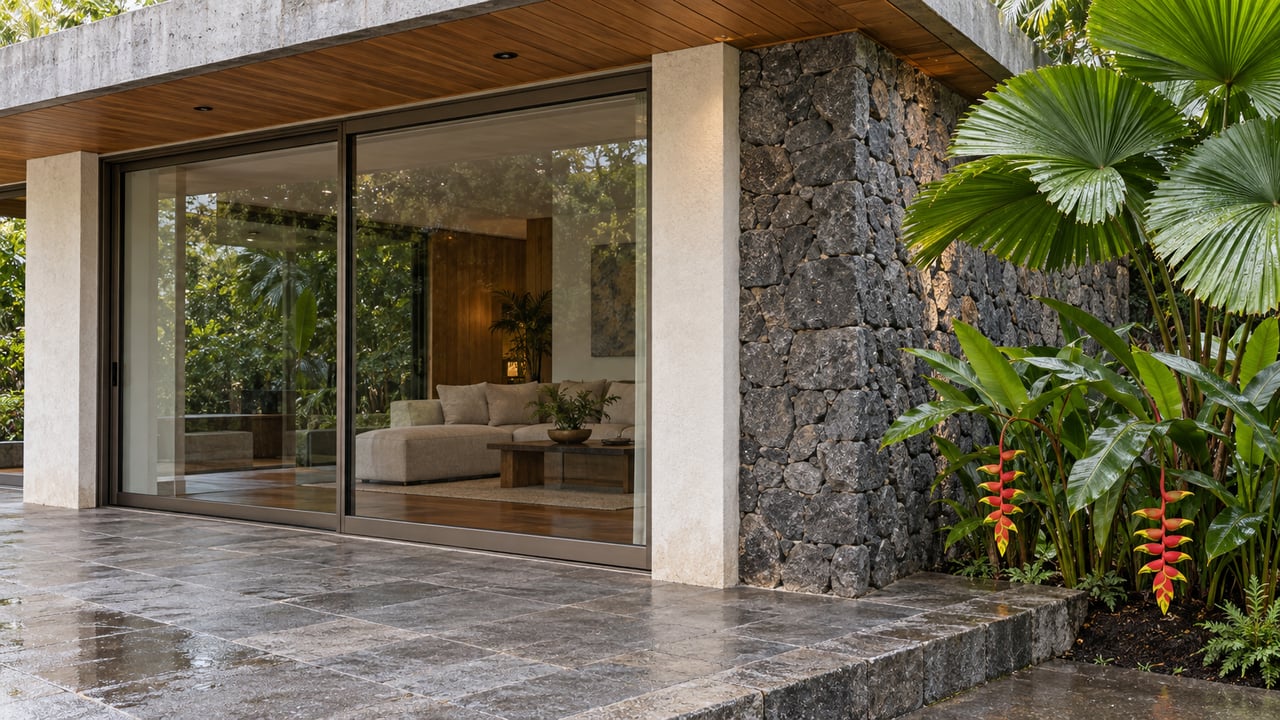
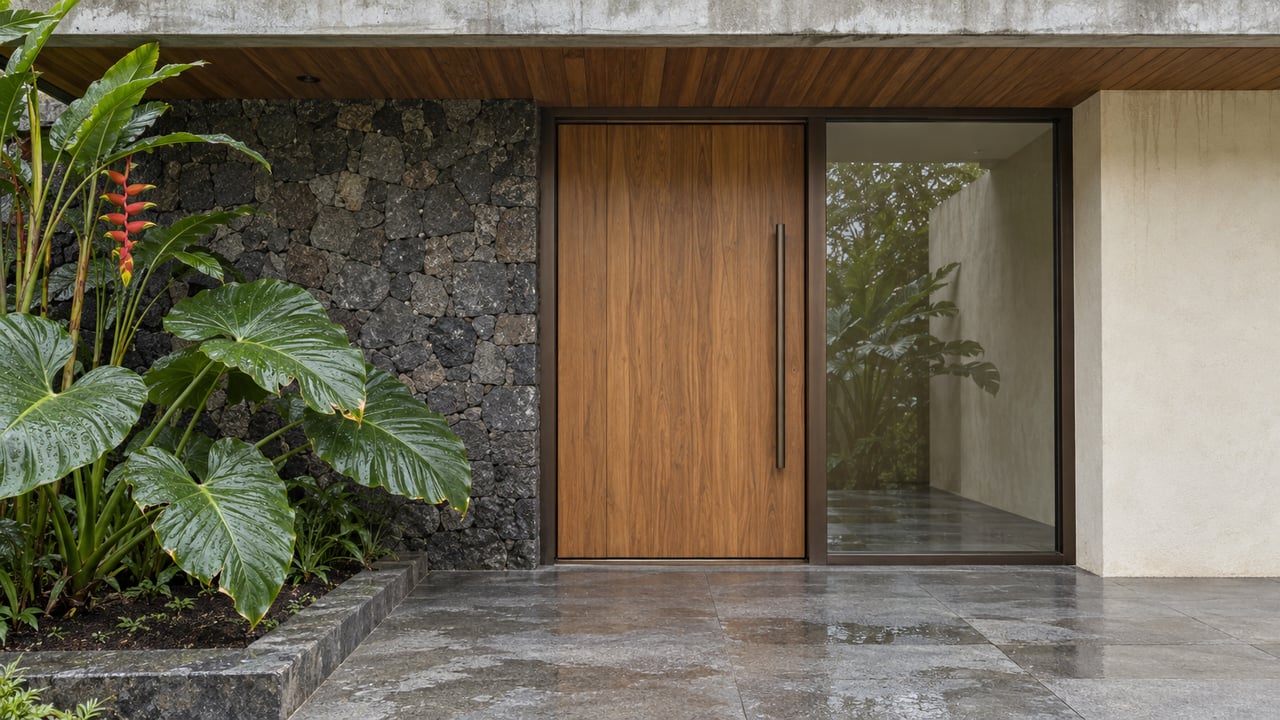
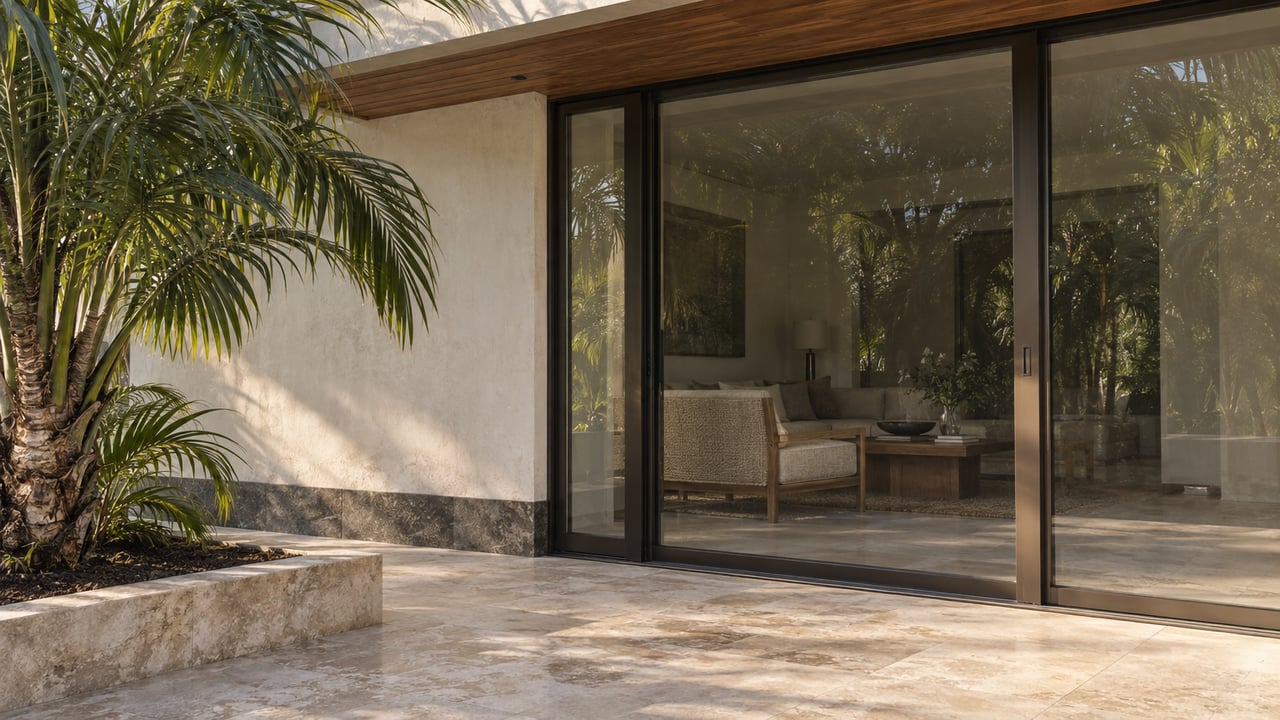

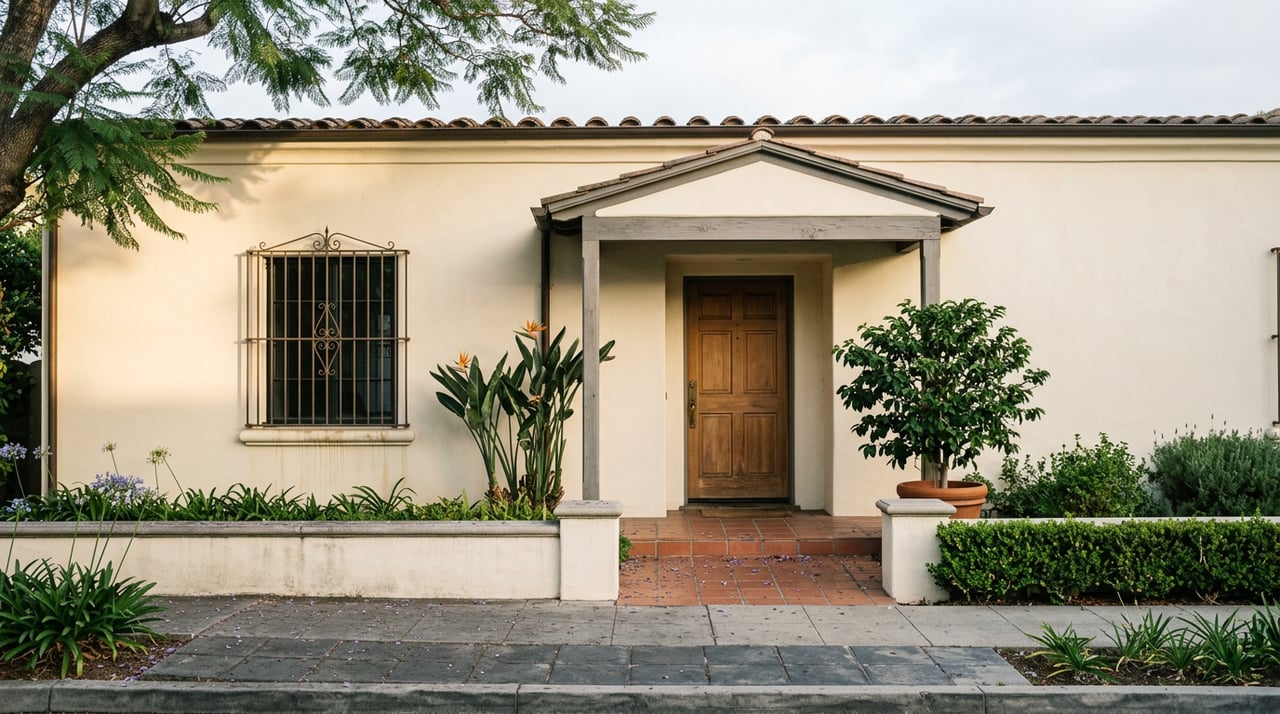
It would be our honor to help you find the perfect Costa Rica real estate opportunity that matches your lifestyle and interests. Connect with us to get started on your real estate in Costa Rica journey!

Plaza Coco Uvita Local 6 2nd FL, Bahia Ballena, Puntarenas 60504, Costa Rica